
Blog
Blog
Blog
10 Tips for Choosing Upholstery Canvas Fabric?
Choosing upholstery canvas is more than matching a color to a sofa. The fabric must handle pressure, friction, sunlight, moisture, and repeated cleaning. A pale canvas may look elegant in a showroom, yet show denim transfer near the armrest within weeks. A dark weave can hide stains, but reveal lint and pet hair quickly. This guide connects practical testing with credible industry guidance, helping readers compare weight, weave, abrasion resistance, fiber content, finish, and maintenance needs.
Textile Exchange reported that global fiber production reached 124 million tonnes in 2023 and could reach 160 million tonnes by 2030. That growth makes material selection more important, especially when recycled content, traceability, and product lifespan are considered. The Association for Contract Textiles also emphasizes performance testing, including abrasion, colorfastness, seam strength, and flammability requirements. However, one laboratory number cannot predict every household. Real use includes sharp keys, sunny windows, wet hands, and rushed cleaning.
Textile sustainability expert Linda Greer has warned, “The textile industry is one of the most polluting industries in the world.” Her statement encourages a broader question: will this upholstery canvas remain useful, repairable, and attractive for years? Good choices begin with honest expectations. A high abrasion rating is not everything. Neither is a recycled label. The following ten tips examine the details buyers often overlook, from fabric density and backing stability to rub-test interpretation and care instructions. Some recommendations may feel less glamorous. They are often more practical.
Define Upholstery Canvas Fabric and Its Main Characteristics
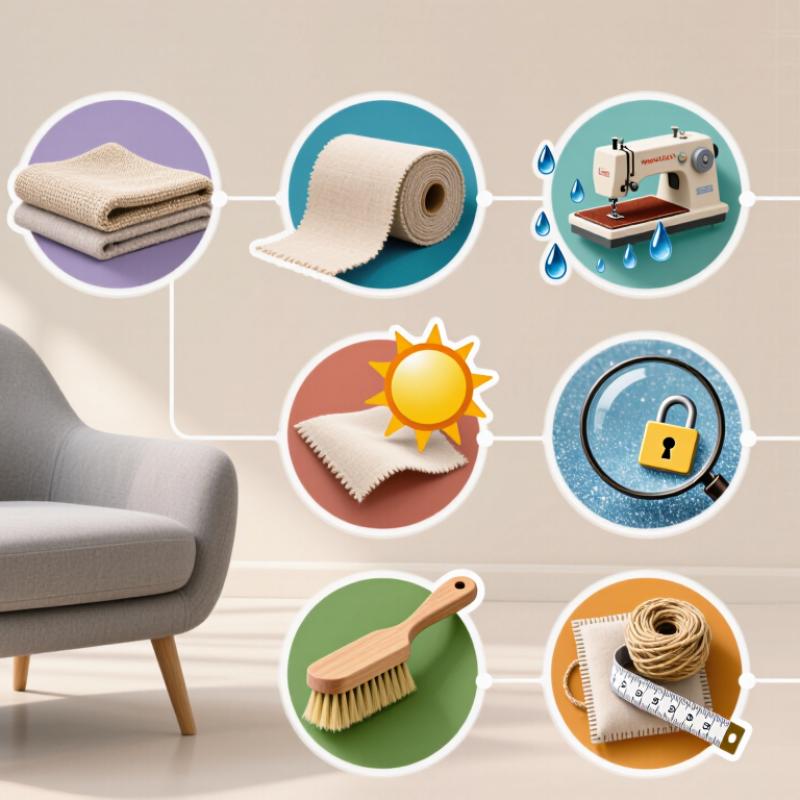
Upholstery canvas fabric is a tightly woven textile designed to cover furniture surfaces. It usually uses cotton, linen, polyester, or blended yarns. Its plain weave creates a firm, stable surface with visible texture. The fabric feels substantial, like a well-used work apron.
Canvas differs from lightweight decorative fabric. It resists stretching and supports cushions more effectively. Key characteristics include fabric weight, yarn density, abrasion resistance, seam slippage, pilling, and colorfastness. ASTM testing can measure abrasion performance, but results should match the furniture’s real use. A dining chair needs different protection from a rarely used reading bench.
Industry data also matters. Textile Exchange’s 2024 Materials Market Report states that global fiber production reached about 124 million tonnes in 2023. Polyester accounted for roughly 57 percent. This explains why many upholstery canvases include synthetic fibers for strength and easier maintenance. However, synthetic content does not automatically mean better quality. Check the backing, weave consistency, and surface recovery after crushing.
My practical mistake was trusting abrasion numbers alone. A fabric can survive laboratory rubbing yet look tired near a window. Ask for a physical sample. Bend it, scratch it lightly, and inspect the reverse side. Choose a tighter weave for busy seating, but remember that heavier canvas may feel stiff. The best fabric balances durability, comfort, appearance, and cleaning needs.
Match Fabric Weight and Weave to the Furniture’s Intended Use
When choosing upholstery canvas, start with the furniture’s daily job. A dining chair needs more resistance than a decorative bedroom bench. A reading chair may need both strength and softness. Match the fabric weight to that level of contact. Lightweight canvas can suit cushions, occasional seating, or low-use furniture. Heavier canvas usually performs better on sofas, armchairs, and family dining seats.
Weave matters just as much as weight. A tight, even weave helps resist snagging and surface distortion. A looser weave may feel attractive, but it can stretch around sharp corners. Check the back of the sample. Uneven threads often reveal weak construction. Rub the fabric gently against a rough surface, then inspect the yarns under clear light. This simple test is useful, though it cannot replace professional performance testing.
I have learned to test fabric with the actual furniture shape. A thick canvas may look durable on a flat sample, yet feel stiff around rolled arms. Place a sample over curves and pull it lightly by hand. Watch for whitening, shifting threads, or visible gaps. Do not trust weight alone. A dense, medium-weight weave can outperform a heavier fabric with poor construction. My own early choices sometimes favored impressive thickness, but comfort suffered. That mistake still influences how I assess samples today.
Evaluate Durability, Abrasion Resistance, and Maintenance Needs
Tip 1: Check durability beyond appearance. Upholstery canvas should keep its shape after repeated sitting, pulling, and cushion movement. Ask for abrasion-test results, but read them carefully. Testing methods can differ, so numbers are not always directly comparable. A dense, tightly woven canvas usually resists snagging better than a loose weave.
Tip 2: Test a fabric sample at home. Rub a hidden section with a clean cotton cloth, then bend and stretch it gently. Watch for fuzzy fibers, color transfer, or early creasing.
I once trusted a heavy-looking canvas that felt strong but developed surface wear near the seat edge. It taught me that weight alone proves little. Measure twice.
Tip 3: Match maintenance needs with daily life. For a dining chair, choose canvas that tolerates frequent spot cleaning and quick drying. For a family sofa, consider removable covers, stain-resistant treatment, and a clear care label. Never assume “easy-care” means every cleaner is safe. Water can leave rings, while strong chemicals may weaken fibers or fade dye. Keep a spare sample for testing. Small details matter.
Inspect seams and corners too. Abrasion often appears there before the center of the cushion. Reliable suppliers should provide fiber content, cleaning instructions, and test information. If those details are missing, pause before ordering. A beautiful fabric is not automatically a practical one.
Choose Suitable Colors, Patterns, Textures, and Fiber Compositions
10 Tips for Choosing Upholstery Canvas Fabric
Color sets the room’s emotional temperature. Warm beige, clay, and muted olive can soften large seating. Pale colors reveal fingerprints quickly. Deep colors may fade near a sunny window. Check a fabric sample beside flooring, curtains, and evening light. Do not trust showroom lighting alone. I once selected a perfect gray that looked blue at home. That mistake still matters.
Patterns need scale. Small geometric prints suit compact chairs, while bold motifs need larger surfaces.
Match repeat direction carefully around cushions and seams. A slightly irregular weave can add useful visual depth.
Texture also changes daily comfort. A crisp canvas feels structured, while brushed or slubbed surfaces feel warmer. Rub the sample with your hand. Then sit against it for several minutes.
For busy homes, review abrasion results rather than relying on appearance. ACT performance guidelines commonly separate residential and heavier-use upholstery requirements, so ask for the tested method and rating. Numbers without test conditions can mislead.
Fiber composition affects strength, cleaning, and environmental impact. Cotton offers familiar softness, but blends may improve dimensional stability. Linen can look refined, yet it may crease more noticeably. Synthetic fibers often improve stain resistance, though they complicate end-of-life choices.
Textile Exchange’s Materials Market Report 2024 estimated global fiber production at 124 million tonnes in 2023. UNEP reports that textiles contribute roughly 2–8% of global greenhouse-gas emissions.
These figures are broad, not upholstery-specific. Still, they encourage careful purchasing. Choose the fiber blend that fits real use, not an idealized lifestyle.
Compare Fabric Quality, Safety Standards, Cost, and Supplier Reliability
When choosing upholstery canvas, inspect quality with your hands, not only a product sheet. A dense, even weave should resist snagging and keep its shape after repeated rubbing. The Association for Contract Textiles commonly uses 30,000 double rubs for heavy-duty upholstery, but test results do not predict every home environment. Pets, sunlight, and rough wooden frames can expose weaknesses sooner. Request a physical sample and check its weight, backing, color consistency, and seam behavior.
Safety deserves equal attention. Ask for test documents covering flammability, restricted substances, and colorfastness. ASTM standards and applicable furniture regulations provide useful testing frameworks, but certificates must match the exact fabric construction. The 2024 Textile Exchange Materials Market Report estimated global fiber production at 132 million tonnes in 2023. That scale makes traceability increasingly important, especially for recycled content.
“Eco-friendly” alone proves very little. Sometimes, I trust clear test limits more than attractive sustainability language.
Cost should include cutting waste, shipping, inspection, and replacement risk. A cheaper roll may have unstable width or inconsistent dye lots. Supplier reliability is easier to judge through retained samples, batch records, realistic lead times, and documented corrective actions. Request a small production trial before ordering volume. ISO 9001-based quality systems can indicate process discipline, though they cannot guarantee perfect fabric.
I have seen impressive samples fail during stitching. That possibility should shape payment terms, inspection points, and contingency stock.
Related Posts
-
7 Best Upholstery Materials for Sofas for Global Buyers
-
2026 Top Sofa Upholstery Types for Global Buyers
-
How to Choose Sofa Upholstery for Global Sourcing?
-
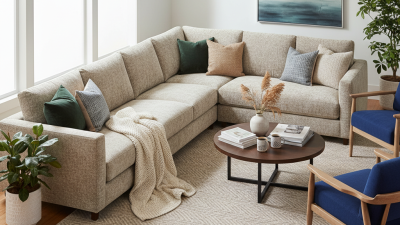
Why Choosing the Right Sofa Upholstery Fabric Can Transform Your Living Space
-
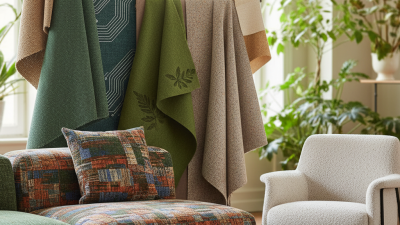
2025 Top Trends in Furniture Upholstery Fabric You Must Know
-
What is Upholstery Fabrics and How Are They Used in Interior Design?