Blog
Blog
Blog
Top 10 Leather Upholstery Materials for Global Buyers?
Choosing the right leather upholstery material is not merely a matter of color, softness, or price. Global buyers must examine performance, origin, finishing methods, maintenance needs, and supplier consistency. A sofa used in a busy hotel lobby faces different demands from a private reading chair. That difference matters.
Leather Naturally, an international leather industry platform, explains that “leather is a durable and versatile material, valued for its long service life.” This principle should guide purchasing decisions. However, durability alone does not guarantee a suitable product. Grain structure, thickness, coating, breathability, and resistance to abrasion can change the user experience dramatically. Small details matter.
This guide reviews ten widely used leather upholstery material options for international buyers. It considers full-grain, top-grain, corrected-grain, split leather, aniline, semi-aniline, nubuck, suede, bonded leather, and recycled leather. Each option offers practical advantages, but each also has limitations. Some develop attractive patina. Others provide easier cleaning and more uniform appearance. A few may feel less natural than expected.
The comparison focuses on real purchasing concerns, including contract furniture, residential interiors, hospitality projects, and custom manufacturing. It also highlights questions buyers sometimes overlook, such as batch variation, colorfastness, chemical testing, and after-sales support. No material is perfect. Even premium leather can disappoint when specifications are vague or samples are misunderstood.
Use this overview as a starting point, not a final verdict. Request physical samples. Test them under realistic conditions. Then match the leather to the furniture’s purpose, climate, traffic level, and design expectations.
Leather Upholstery Materials: Key Types and Global Market Categories
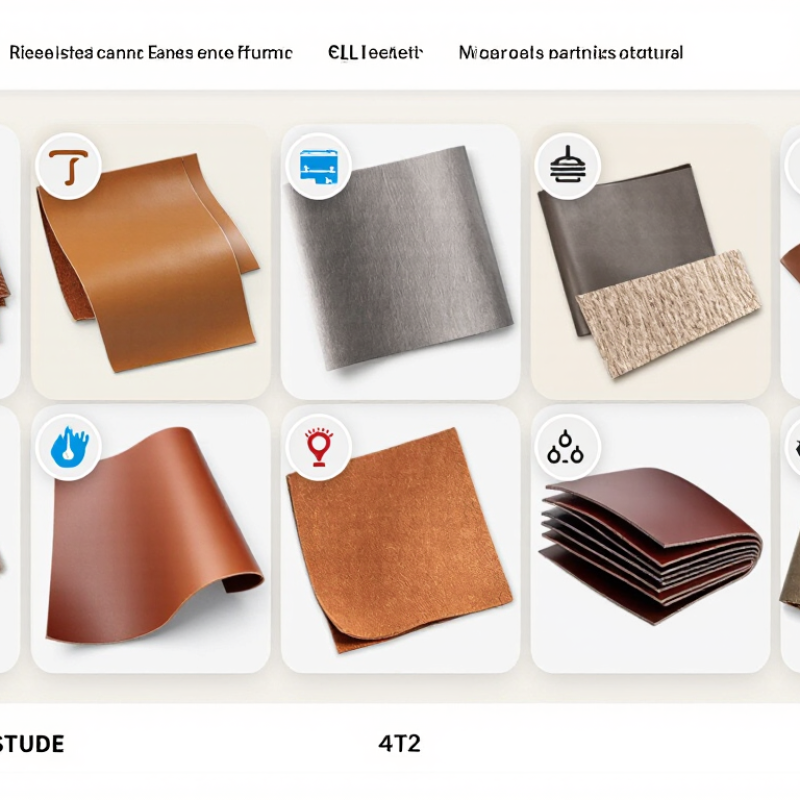
Global buyers usually compare upholstery leather by surface quality, processing, performance, and price. Full-grain leather keeps the natural grain and develops visible character over time. Top-grain leather is lightly corrected, giving a cleaner surface and more consistent color. Corrected-grain leather receives stronger surface treatment, which helps hide scars and improves uniformity.
Split leather comes from lower layers and often receives a coated finish. It can suit budget furniture, but its surface may feel less breathable. Bonded leather uses leather fibers mixed with binders, so durability varies greatly between suppliers.
Synthetic polyurethane and PVC materials offer predictable colors, easier maintenance, and lower costs. Microfiber alternatives can provide a soft hand feel, although they should not be marketed as natural leather.
Tips: Request material samples before placing large orders. Rub each sample with a dry cloth. Check abrasion, tear strength, flex resistance, colorfastness, and surface cracking. Ask for thickness and backing details. Regional upholstery requirements may differ, especially for fire performance and chemical safety. Verify current documentation independently.
In practical sourcing, appearance can mislead. A smooth finish is not always stronger. I have seen attractive coated surfaces crack after repeated folding. Natural marks may look imperfect, yet they can confirm a less-corrected hide. Buyers should balance touch, construction, maintenance needs, and expected use. Furniture for hotels, homes, and transport interiors needs different performance priorities.
How to Evaluate Durability, Comfort, Appearance, and Maintenance
Top 10 Leather Upholstery Materials for Global Buyers
How to Evaluate Durability, Comfort, Appearance, and Maintenance
Choosing upholstery leather requires more than judging a showroom sample. Full-grain leather offers strong fibers, visible scars, and gradual character. Top-grain leather feels smoother after light surface correction. Corrected-grain leather provides consistent color and hides natural marks. Split leather can reduce cost, but it usually needs a durable protective finish. Ask for thickness, finish details, and abrasion results from a recognized test method.
Aniline leather feels warm and flexible, with clear natural grain. However, it absorbs oil and stains quickly. Semi-aniline leather adds light protection while preserving a soft touch.
Pigmented leather resists daily spills and sunlight better, although its surface may feel less natural. Nubuck has a velvet-like texture, while suede feels softer but demands careful cleaning.
Touch the material for several minutes. Notice heat, stiffness, and seam comfort.
Recycled leather composites can offer stable color and efficient material use, but their backing and bonding quality deserve close inspection. There is no perfect hide.
I once favored a beautiful aniline sample, then rejected it after testing it with a damp cloth and denim transfer. Request cleaning instructions, lightfastness data, and a physical sample before purchasing. Check high-contact areas, such as armrests and seat edges, because showroom lighting hides uneven wear. A practical choice balances appearance with the maintenance routine your customers will actually follow.
Top Ten Leather Upholstery Materials for International Buyers
Top 10 Leather Upholstery Materials for Global Buyers?
International buyers usually compare more than appearance. Full-grain leather keeps its natural surface and develops character over time. Top-grain leather offers a smoother finish with reliable durability. Corrected-grain leather hides small scars through controlled embossing. Split leather provides a practical option for selected furniture areas. Aniline leather shows rich color variation, but it marks easily. Semi-aniline leather adds light protection while preserving a natural look. Pigmented leather delivers stronger stain resistance and consistent color. Nubuck feels soft and velvety, although it needs careful maintenance. Suede offers a warm texture for decorative upholstery. Bonded leather uses leather fibers with a surface coating, reducing cost but often limiting lifespan.
In my purchasing experience, material names alone can mislead. Ask for a physical sample, not only digital images. Rub the surface with a dry white cloth. Check color transfer and coating response. Bend the sample repeatedly near the grain edge. Measure thickness, abrasion resistance, lightfastness, and seam strength through documented testing. Request traceable information about origin, finishing methods, and restricted-substance compliance. Climate also matters. Dry interiors may require flexible finishes, while humid regions demand careful moisture management. A pale aniline hide may look elegant in a showroom, then show fingerprints within days. That is easy to underestimate. I have made that mistake before. Suppliers should explain hide yield, usable width, repair limits, and batch variation clearly. A lower price can become expensive after cutting waste, replacement claims, and customer dissatisfaction.
Comparing Costs, Sustainability, Quality, and Sourcing Requirements
Global buyers compare ten main upholstery options: full-grain, top-grain, corrected-grain, split leather, nubuck, suede, bonded leather, polyurethane microfiber, PVC, and cork-based alternatives. Full-grain offers the strongest character and long service life, but it costs more and shows natural marks. Split leather and bonded leather reduce purchasing costs, although their coatings may wear faster. Nubuck and suede feel soft, yet they need stricter stain control. PVC is usually economical and water-resistant, while polyurethane microfiber often provides a more leather-like surface with lower weight.
Sustainability claims require careful checking. Leather Naturally estimates that global leather production uses over one billion hides and skins each year, largely from the meat industry. However, this does not automatically prove low impact. The European Commission’s Product Environmental Footprint method evaluates tanning, energy, chemicals, transport, and durability together. Textile Exchange’s Materials Market Report 2024 recorded global fiber production at 125 million tonnes in 2023, showing the scale of synthetic material demand. Recycled content can help, but short product life weakens that benefit. I have seen attractive samples fail at seam areas. Appearance alone misleads.
Tips: Request hide origin, thickness, abrasion results, finish composition, and wastewater documentation. Ask for test methods, not vague “eco” language. For contract seating, specify at least 50,000 Martindale cycles when appropriate, then check the buyer’s regional standard. Compare landed cost, not factory price. Leave room for doubt; supplier documents can be incomplete, and natural variation is not always a defect.
How to Select the Right Leather for Different Furniture Applications
Start with the room, not the swatch. Full-grain and top-grain leather suit executive seating, sofas, and reception areas because their dense surfaces develop character with use. Corrected-grain and pigmented leather offer more consistent color and easier cleaning for restaurants, hotels, and family furniture. According to Leather Naturally’s industry overview, more than one billion hides and skins are processed globally each year. Supply is broad, but quality varies sharply.
For soft, tactile furniture, aniline leather shows natural pores and scars, while semi-aniline adds limited protective pigment. Nubuck offers a velvety touch but needs careful maintenance. Suede and split leather can reduce cost for low-contact panels, cushions, or decorative sections. Bonded leather and recycled leather may support budget projects, yet their coating and fiber composition require close inspection. They are not identical materials.
Match performance to contact. ISO 11640 testing helps assess color transfer from repeated rubbing, while EN 1021 testing evaluates cigarette and match ignition behavior for upholstered furniture. These tests do not replace local compliance checks. FAOSTAT’s 2023 livestock data records more than 1.5 billion cattle worldwide, showing the scale behind hide availability, not guaranteed upholstery quality. Ask for thickness, finish type, abrasion results, and batch samples. I still distrust a perfect sample under showroom lights. Grain direction, stitching tension, and sunlight exposure can change the result. Mistakes happen. Test the finished cushion, not only the leather swatch.
Related Posts
-
What Are the Top Leather Upholstery Trends for 2026?
-
How to Choose Leather Upholstery for Global Sourcing?
-
What is leather upholstery fabric and its benefits?
-
How to Choose the Best Leather Upholstery Fabric for Your Needs?
-
What Are the Top Sofa Upholstery Suppliers in China?
-
How to Find the Best China Furniture Upholstery Suppliers?