Blog
Blog
Blog
Top Upholstery Fabrics for Global Buyers
Choosing upholstery fabrics for international markets requires more than attractive colors and a soft hand. Buyers must examine performance, construction, compliance, and long-term value. A velvet may look luxurious under showroom lighting, yet show pressure marks after repeated seating. A tightly woven polyester can resist abrasion, but may feel less natural against the skin. No fabric wins every test.
This guide compares practical options for hotels, offices, restaurants, healthcare spaces, and residential furniture. It considers fiber content, weave, abrasion resistance, pilling, colorfastness, stain care, flame performance, and environmental claims. Requirements can differ sharply between countries, so reliable technical documents matter. Ask suppliers for test methods, sample results, batch information, and clear care instructions. Certifications should be verified, not simply printed on a sales sheet.
William Morris, the influential designer and textile authority, advised, “Have nothing in your houses that you do not know to be useful, or believe to be beautiful.” His principle still fits modern upholstery fabrics. Beauty attracts attention, but performance protects the investment. A buyer may prefer recycled fibers, although recycled content alone does not prove durability or responsible production. That point deserves more questioning.
Small details often decide success. Check the reverse side, seam behavior, pattern repeat, and fabric width. Rub a sample with a sleeve and inspect it in daylight. Touch matters. Cost matters too. Yet the cheapest roll can become expensive after fading, seam failure, or frequent replacement. Global buyers should balance appearance, verified performance, user comfort, and honest supplier communication before placing large orders.
What Upholstery Fabric Is and Why It Matters to Global Buyers
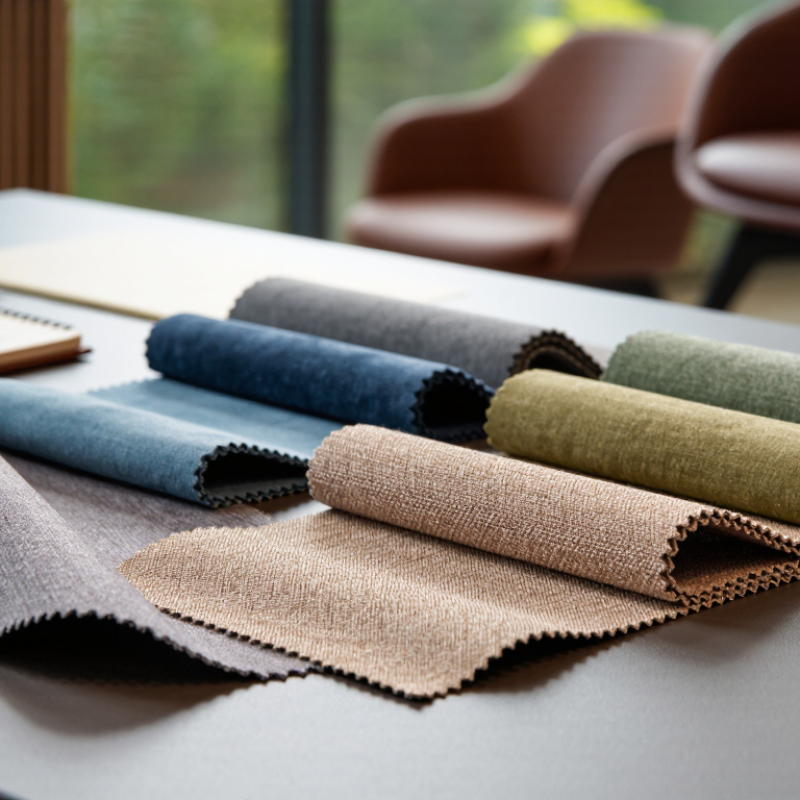
Upholstery fabric is the engineered outer layer covering sofas, chairs, benches, and other furniture. It protects internal foam and frames from abrasion, spills, sunlight, and daily friction. For global buyers, it also affects comfort, shipping weight, maintenance, and product positioning. A velvet-like surface may suit a hotel lounge, while a tightly woven polyester blend may better serve busy family seating. The wrong construction can cause early pilling, seam failure, or fading. It is not decoration alone.
Procurement should connect end use with measurable performance. Specify fiber content, weave, backing, width, weight, and finishing chemicals. For seating, request abrasion results, seam slippage, pilling, and colorfastness data. The Martindale method is widely used, but test conditions and buyer requirements still differ. A high rub count is not a complete answer. Softness, recovery, and cleaning performance matter too. I would not approve fabric from one number alone.
Scale changes the environmental question. Textile Exchange’s 2024 Materials Market Report records global fiber production at 124 million tonnes in 2023, with projections reaching 160 million tonnes by 2030. The Circularity Gap Report 2024 places global economic circularity at only 7.2%. These figures encourage buyers to examine recycled content, durability, repair options, and end-of-life routes. Recycled content can vary considerably. Certification and chain-of-custody records should support every claim. A specification may look responsible, yet still overlook transport distance or difficult disassembly. That gap deserves attention.
Top Upholstery Fabrics for Global Buyers - What Upholstery Fabric Is and Why It Matters to Global Buyers
| Fabric Type | Typical Fiber Composition | Key Performance Profile | Common Abrasion Range* | Best-Fit Applications | Care and Cleaning | Global Buyer Considerations | Relative Cost Position |
|---|---|---|---|---|---|---|---|
| Polyester | 100% polyester or polyester blends | Good abrasion resistance, low moisture absorption, strong color retention, and relatively low wrinkling. | Typically 15,000–50,000 double rubs or approximately 20,000–60,000 Martindale cycles, depending on construction. | Residential seating, hospitality furniture, office chairs, and high-volume furniture programs. | Usually vacuuming and water-based spot cleaning; always follow the supplied care code. | A versatile option for export programs; request colorfastness, pilling, and flammability test results for the destination market. | Low to medium |
| Polyester Chenille | Mostly polyester; may include cotton, acrylic, or rayon | Soft hand, dimensional texture, good visual coverage, and comfortable seating feel. | Commonly 20,000–50,000 double rubs or about 25,000–60,000 Martindale cycles. | Sofas, lounge chairs, headboards, and decorative residential upholstery. | Regular vacuuming with a soft brush; avoid aggressive rubbing that can disturb the pile. | Pile direction and shade variation should be checked under different lighting before bulk approval. | Medium |
| Velvet | Polyester, cotton, viscose, or blended pile construction | Luxurious appearance, soft touch, strong color depth, and visible pile direction. | Often 20,000–60,000 double rubs, but durability varies substantially by pile and backing. | Feature chairs, sofas, hospitality interiors, theaters, and premium residential furniture. | Gentle vacuuming and careful spot treatment; steam or professional cleaning may be recommended for some constructions. | Approve a physical cutting and confirm pile direction, crushing resistance, seam appearance, and lightfastness. | Medium to high |
| Cotton | 100% cotton or cotton-rich blends | Natural hand, breathability, and comfortable appearance; may wrinkle, fade, or absorb stains more readily than synthetics. | Approximately 10,000–30,000 double rubs, depending on weave, finish, and blend. | Casual furniture, slipcovers, cushions, and interiors emphasizing natural fiber content. | Prompt blotting of spills and cleaning according to the fabric code; shrinkage risk should be considered. | Check dimensional stability, crocking, shrinkage, and colorfastness, especially for humid or high-sun markets. | Medium |
| Linen | 100% flax linen or linen blends | Cool, breathable, textured, and naturally elegant; can crease and may show slubs or irregularities. | Commonly 10,000–25,000 double rubs, with higher results possible in reinforced blends. | Decorative seating, occasional chairs, coastal interiors, and low-to-moderate traffic furniture. | Gentle vacuuming and immediate blotting; professional cleaning is often preferred for upholstered covers. | Natural slubs and shade differences should be defined as acceptable characteristics in the quality standard. | Medium to high |
| Wool | 100% wool or wool-rich blends | Resilient, naturally elastic, warm, and capable of recovering from compression; can be sensitive to moisture and improper cleaning. | Often 20,000–50,000 Martindale cycles, depending on yarn, weave, and finishing. | Office seating, contract interiors, premium residential furniture, and cooler climates. | Routine vacuuming and professional or low-moisture cleaning as specified by the supplier. | Confirm moth protection, pilling performance, flammability compliance, and animal-origin documentation where required. | High |
| Acrylic | 100% acrylic or acrylic blends | Good resistance to sunlight, moisture, mildew, and outdoor exposure when specifically engineered for exterior use. | Frequently 15,000–40,000 double rubs; outdoor constructions may use different performance specifications. | Outdoor cushions, sunrooms, marine-adjacent furniture, and bright hospitality spaces. | Brush off debris, clean spills promptly, and verify whether removable covers are machine washable. | Confirm UV resistance, water repellency, mildew resistance, and performance after repeated wet-dry cycles. | Medium |
| Olefin | Polypropylene or polypropylene blends | Low moisture absorption, good stain resistance, lightweight construction, and useful colorfastness in many applications. | Often 15,000–40,000 double rubs, subject to yarn and weave design. | Family rooms, casual seating, outdoor or semi-outdoor furniture, and value-oriented contract projects. | Regular vacuuming and water-based spot cleaning when permitted by the care code. | Evaluate heat sensitivity, seam strength, UV exposure, and local fire-test requirements before specifying. | Low to medium |
| Leather | Finished or unfinished animal hide | High durability potential, distinctive natural grain, breathability, and gradual patina development. | Abrasion results vary by finish and test method; many upholstery leathers are tested around 20,000–50,000 cycles. | Premium sofas, executive seating, hospitality furniture, and high-use lounge areas. | Dusting, approved leather cleaner, and periodic conditioning where recommended; avoid excessive heat and direct sunlight. | Request hide classification, thickness, finish type, color variation tolerance, origin documentation, and chemical compliance data. | High |
| Recycled Polyester | Polyester made partly or wholly from recycled polymer feedstock | Performance can be comparable to conventional polyester while supporting recycled-content goals. | Commonly 15,000–50,000 double rubs, depending on the final fabric construction. | Residential, hospitality, office, and specification projects with documented sustainability targets. | Generally similar to standard polyester; use the care instructions supplied for the finished fabric. | Verify recycled content percentage, chain-of-custody documentation, chemical compliance, and whether claims apply to yarn or finished fabric. | Medium |
How to Compare Upholstery Fabrics by Fiber, Weave, and Performance
Top Upholstery Fabrics for Global Buyers
How to Compare Upholstery Fabrics by Fiber, Weave, and Performance
Choosing upholstery fabric requires more than comparing colors on a screen. Fiber affects comfort, durability, moisture response, and cleaning needs. Natural fibers can feel breathable and warm, while synthetic fibers often provide stronger stain resistance and shape recovery. Blended yarns may balance both, but their performance depends on the exact fiber ratio.
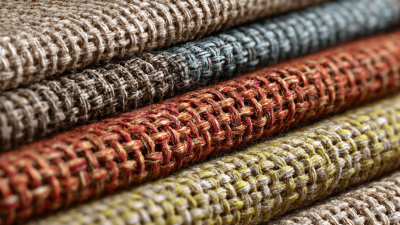
The weave matters just as much. Tight plain weaves usually resist snagging, while textured weaves can hide minor marks more effectively. Velvet offers a distinct hand and appearance, yet shading may change with touch and viewing direction. Before ordering, request physical samples. Rub the surface, inspect the reverse side, and check whether seams pull apart under light tension.
Performance data should guide the final decision. Review abrasion results, pilling resistance, colorfastness, seam slippage, and recommended cleaning methods. Test results are useful only when the testing method is clearly stated. A fabric with high abrasion resistance may still disappoint in direct sunlight. Moisture can also expose weaknesses quickly.
Real projects are rarely perfect.
Ask for care instructions, production tolerances, and batch consistency. Compare samples under the lighting used in the finished space. I have seen attractive fabrics fail because their backing was too stiff for curved furniture. Specifications help, but hands-on testing reveals the details that documents sometimes miss.
Which Upholstery Fabrics Suit Different Furniture and Climates
Top Upholstery Fabrics for Global Buyers
Climate and furniture use should guide every upholstery decision. In humid regions, tightly woven polyester, performance linen blends, and breathable cotton blends can reduce moisture retention. Still, no fabric prevents mildew without proper ventilation. In hot, sunny rooms, solution-dyed acrylic and treated polyester usually resist fading better than ordinary cotton. Direct sunlight remains harsh. Use lined curtains, too.
For busy sofas, choose dense weaves with strong abrasion results and tightly secured seams. Bouclé looks inviting, but its loops may catch on pets, bags, or rough clothing. Dining chairs need stain resistance and easy cleaning, especially in homes with children. Velvet suits occasional seating and cool interiors, while wool blends provide warmth for colder climates. Wool can feel too heavy in tropical rooms. That detail is often overlooked.
Tips: Test a full-size fabric sample on the actual furniture. Rub it, sit on it, and observe the color under local sunlight. Ask for cleaning instructions, fiber content, abrasion data, and lightfastness ratings. A fabric that performs well in a showroom may react differently near a window or coastal air. Also check replacement availability before placing a large order.
Top Upholstery Fabrics for Global Buyers: Furniture and Climate Suitability
The chart compares common upholstery fabrics on a 1–5 suitability scale across humid or tropical, hot and dry, and cool or temperate climates. The index reflects typical moisture resistance, breathability, UV performance, durability, and maintenance requirements. Solution-dyed acrylic is well suited to sunrooms and outdoor furniture, polyester works well for high-traffic sofas and dining chairs, cotton-linen blends are comfortable in temperate interiors, wool performs strongly in cool climates, leather suits durable seating, and velvet is best for decorative indoor furniture in controlled environments.
How Durability, Maintenance, and Safety Standards Affect Fabric Choice
Top Upholstery Fabrics for Global Buyers
How Durability, Maintenance, and Safety Standards Affect Fabric Choice
In upholstery sourcing, I have learned that durability begins with the furniture’s actual use. A dining chair needs strong abrasion resistance and stable seams. A lounge sofa may need softer fibers and better stain release. Check abrasion results, pilling resistance, colorfastness, and seam slippage before comparing prices. A high abrasion score is not a complete answer. Dense fabric can still wear quickly when cushions are badly designed or poorly fitted.
Maintenance also changes the buying decision. Fabrics for hotels, offices, and family rooms should tolerate regular vacuuming and careful spot cleaning. Ask for tested cleaning instructions, not vague claims such as “easy care.” Safety matters equally. Request current test reports for flammability, restricted substances, and color transfer. Requirements differ by destination, furniture type, and end use. Do not assume one certificate covers every market. I have seen attractive samples fail because documentation was incomplete.
Tips: Match fabric testing to real furniture use. Order a larger sample and inspect it under warm and cool lighting. Test a small area with the proposed cleaning method. Keep written records of fiber content, finishes, test dates, and washing limits. No fabric is perfect. A supplier’s clear explanation of weaknesses may be more reliable than impressive marketing language.
How Global Buyers Can Evaluate Suppliers, Costs, and Sustainability
Global buyers need more than attractive upholstery samples. A reliable supplier should provide fiber composition, abrasion results, colorfastness data, and production photos. Request samples from different batches, not just one carefully selected roll. Small differences can reveal weak process control. Ask for proof.
Evaluate factory experience through clear communication and documented quality procedures. Ask how defects are recorded, corrected, and prevented. Confirm minimum order quantities, lead times, packaging methods, and shipping terms before comparing quotations. A low fabric price may hide expensive freight, inspection, or replacement costs. Look beyond price.
Cost analysis should include sampling, testing, duties, currency changes, and possible waste during cutting. Sustainability requires specific evidence, not broad environmental language. Review recycled-content records, wastewater controls, energy data, and certifications relevant to the material. Ask whether the factory can trace fibers to approved sources. However, certificates may not show daily performance. An on-site audit or independent assessment can provide stronger insight, though both can be incomplete. Buyers should also examine fabric durability, because replacing worn upholstery creates additional material use. I have found that a slightly higher-priced fabric can become more economical when it lasts longer and arrives consistently. Still, durability tests do not perfectly predict every hotel, office, or transport environment. Request testing that matches the intended use. Keep the evaluation practical, documented, and open to uncomfortable findings.
Related Posts
-
China Top 10 Furniture Upholstery Manufacturers
-
What Are Upholstery Fabrics and How Do You Choose Them?
-
10 Tips for Choosing Furniture Upholstery Fabric
-
Innovative Solutions for Enhancing Durability and Comfort in Furniture Fabric Selection
-
Top 5 Furniture Upholstery Fabric Choices for Stylish Home Décor
-
2026 Top Durable Sofa Fabric for Global Buyers?