How to Choose the Best Interior Fabrics?
Choosing interior fabrics is less about matching a swatch than understanding how a room is used. A dining chair faces spills; a sunny window can fade a curtain; a family sofa collects lint, crumbs, and everyday wear. Start with the room’s light, traffic, cleaning routine, and comfort needs. Then compare fiber, weave, colorfastness, and care instructions—not color alone.
The scale of textile production also makes material choices worth considering. Textile Exchange’s Materials Market Report 2024 estimates that global fiber production reached 124 million tonnes in 2023. That figure covers all fibers, not just those used in interiors, but it provides useful context when weighing durability and sourcing. Small choices matter. William Morris, the nineteenth-century textile designer, put it simply: “Have nothing in your houses that you do not know to be useful, or believe to be beautiful.” Use that thought as a guide, not a strict rule. A fabric may look perfect yet feel wrong in daily use, and no checklist predicts every stain or snag. The sections ahead explain how to assess performance, texture, maintenance, and sustainability, so you can choose fabrics that suit both the room and the people living in it.
Assess the Room’s Use and Environmental Conditions
Start with the room’s daily demands. A family-room sofa may face snacks, pets, and repeated cleaning; a bedroom headboard usually sees less abrasion. For busy seating, compare fabrics against Association for Contract Textiles performance guidance. Its high-traffic woven upholstery guideline is 30,000 Wyzenbeek double rubs or 40,000 Martindale cycles. These tests help screen options, but they do not predict every fabric’s lifespan. Construction, seam strength, and cleaning method matter too.
Sun matters. A south-facing window can fade a vivid cushion, while damp rooms may encourage mildew. The U.S. Environmental Protection Agency advises keeping indoor relative humidity ideally between 30% and 50%, and below 60%. In humid spaces, favor fabrics that tolerate the intended cleaning routine and dry readily. For sunny rooms, check colorfastness ratings and consider lined curtains or movable shades. A high abrasion score alone is not enough.
Tips: Track sunlight, humidity, spills, and cleaning needs for a week. Test a swatch where the fabric will live; view it in morning and afternoon light. Ask for care instructions before buying. Small detail, big difference. A sample can still behave differently across a large sofa, so treat it as a useful check, not a guarantee.
Compare Fabric Fibers and Their Performance
Cotton feels cool and familiar, making it comfortable on cushions and everyday upholstery. Its performance depends on the weave and finish: tightly woven cotton usually handles rubbing better than a loose, textured weave. It can wrinkle and may fade in strong sunlight. Linen has a crisp, airy feel, but its natural slubs and creases are part of the look. Some people love that lived-in character; others find it untidy. Feel the surface. Wool resists crushing and can recover well after sitting, though it may feel warm and needs appropriate care.
Polyester and solution-dyed acrylic are often chosen for busy rooms because they tend to resist fading and everyday wear. Still, fiber alone does not guarantee durability. Construction, yarn quality, and finishing matter too. A polyester velvet may show pressure marks, while a plain, tightly woven fabric can hide them better. Check the label.
Blends combine strengths, such as cotton’s soft hand with polyester’s easier maintenance, but they may also inherit drawbacks from both fibers. Test a large sample at home: sunlight changes color, and a fabric that looks smooth in a showroom can feel scratchy against bare skin.
I would not choose from a swatch alone; even careful testing leaves some uncertainty about years of use. Cleaning instructions deserve equal attention, especially when children, pets, or frequent spills are part of the room.
Examine Weave, Finish, Durability, and Care Needs
How to Choose the Best Interior Fabrics?
Examine the weave under natural light before choosing a fabric. A tight plain weave often resists snagging better than a loose, looped surface. Bouclé can feel inviting, but its loops may catch on pet claws or rough clothing. Look closely at seams and edges, too. Uneven yarns or loose threads can signal a fabric that needs gentler use. Small details matter.
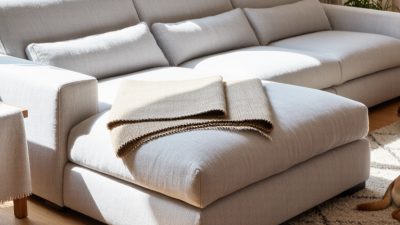
A finish changes both feel and upkeep. Brushed fabric may feel soft, while a coated finish can make spills easier to blot. Neither finish makes a textile carefree. Ask whether the treatment can wear away or affect cleaning, and check the maker’s care instructions. For a busy sofa, compare abrasion-test results, but don’t treat one number as a guarantee. Construction, household use, and maintenance all influence how long fabric looks good. I’d test a swatch near a window; color and texture can look different there.
Match care needs to your routine. If you rarely want to spot-clean, choose a fabric with clear, practical instructions rather than a delicate textile that needs specialist care. Blot fresh spills with a clean cloth instead of rubbing; rubbing can push liquid deeper into the weave. Vacuum textured upholstery gently, since a strong brush can distort raised fibers. And honestly, care labels can feel vague. If a cleaning method is unclear, ask a qualified upholstery cleaner before trying it.
Coordinate Color, Pattern, and Texture with the Interior
Choose one element to anchor the room, such as a rug, sofa, or pair of curtains. Note its main color and undertone before selecting other fabrics. A warm beige can look dull beside cool gray, even when both seem neutral in a shop. Check swatches beside the floor and wall, then view them in daylight and evening light. Test it here. A small sample can reveal a clash that a screen cannot.
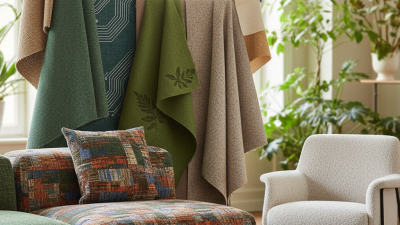
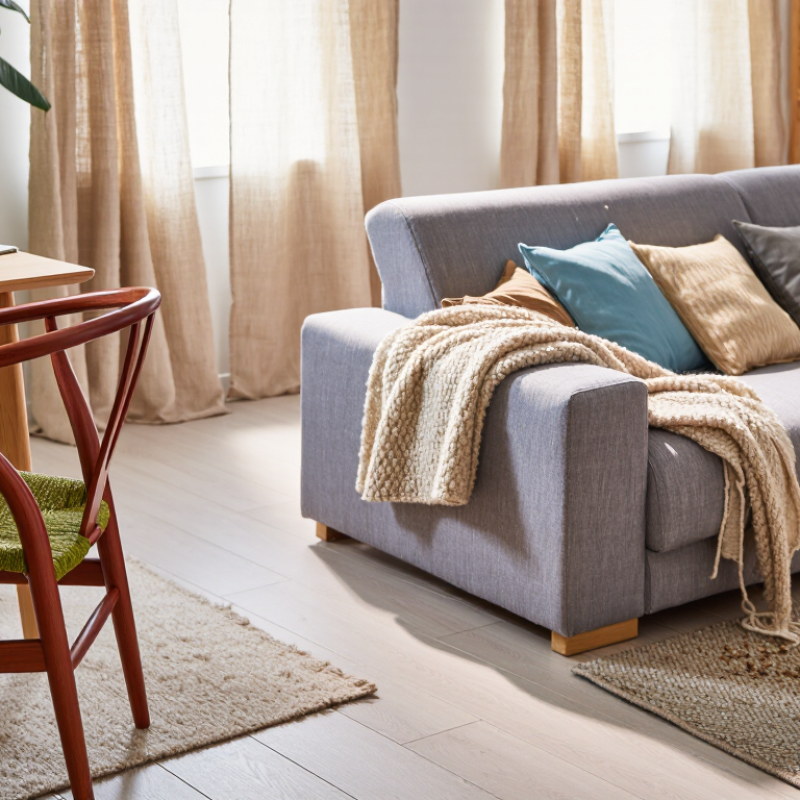
Let pattern scale respond to the room. A large floral print may feel crowded on a compact chair, while a tiny motif can disappear across wide curtains. Pair one prominent pattern with quieter fabrics that share a color. For example, repeat the muted blue of a striped cushion in a plain curtain, then add a nubby cream throw for contrast. Keep one anchor. Matching every pattern is rarely necessary, and too many competing prints can make a room feel restless.
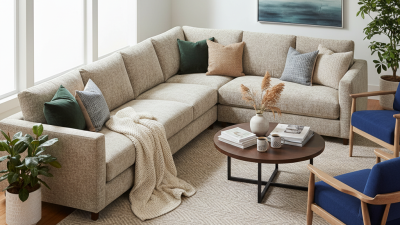
Texture adds depth when colors stay close. Combine smooth cotton, woven linen, and a soft wool blend to keep a neutral palette from looking flat. Consider how each fabric will be used: a pale, loosely woven cover may show marks quickly in a busy living room. There is no perfect formula. I’d still bring home more swatches than expected; the first choice often looks different beside the actual furniture.
Check Fabric Quality, Safety, and Long-Term Value
Choose fabric by more than its color or hand feel. Ask for the fiber content, care instructions, and test results for the exact fabric. For upholstery, abrasion testing such as ASTM D4157 can help compare wear resistance, while pilling and colorfastness tests reveal other weaknesses. Higher test results are not a guarantee of longer life. They are useful only when test methods and conditions match.
Safety deserves equal attention. Ask whether the fabric has stain-resistant or flame-retardant treatments, and request relevant test documentation. Check the care label and applicable fire-safety requirements for its intended use. A soft finish can feel reassuring, but it tells you little about chemical content or performance. That distinction is easy to miss.
Long-term value also has a waste dimension. Textile Exchange’s 2024 Materials Market Report estimated global fiber production at 124 million tonnes in 2023. The U.S. EPA estimated that 17 million tons of textiles entered the U.S. waste stream in 2018, with about 2.5 million tons recycled; these figures cover textiles broadly, not upholstery alone. A durable, repairable fabric may reduce replacement needs. Still, durability depends on sunlight, pets, cleaning, and daily use. Choose for the room you actually have, not an ideal one.
How to Choose the Best Interior Fabrics? — Check Fabric Quality, Safety, and Long-Term Value
Fabric test ratings help you compare specific performance properties. ISO 105-B02 rates colour fastness to light on a 1–8 scale, while ISO 105-X12 rates colour fastness to rubbing on a 1–5 scale. This chart shows each scale’s maximum rating—not test results for any particular fabric. Ask for the actual test report, and check that the fabric meets the safety requirements for its intended use.