Blog

blog

Blog

blog

Blog

blog

Top 10 Upholstery Canvas Manufacturers in China

China’s textile industry offers a broad range of upholstery canvas, from sturdy plain-weave fabrics to coated materials designed for demanding interiors. Choosing a manufacturer takes more than comparing price lists. Fabric weight, roll width, abrasion resistance, color consistency, and finishing options can all affect how a material performs on a sofa, chair, or commercial bench.

This guide introduces ten Chinese manufacturers associated with upholstery canvas and outlines factors buyers may want to examine. These include product range, production capabilities, customization, sample access, and communication during development. A fabric swatch can reveal texture and color, but it cannot confirm every performance claim. Ask suppliers for current technical data, test details, minimum order quantities, and realistic lead times before making a decision. Small details matter.

A factory with advanced equipment may still be the wrong fit for a particular project. Some buyers need flexible sampling; others prioritize repeatable bulk production or a specific surface finish. No supplier is perfect. Even a well-organized comparison cannot replace checking samples and clarifying specifications directly. Use the profiles as a starting point, then assess each manufacturer against your intended use, quality requirements, and order scale. The best match is not always the largest name; it is the partner whose fabric and process suit the job.
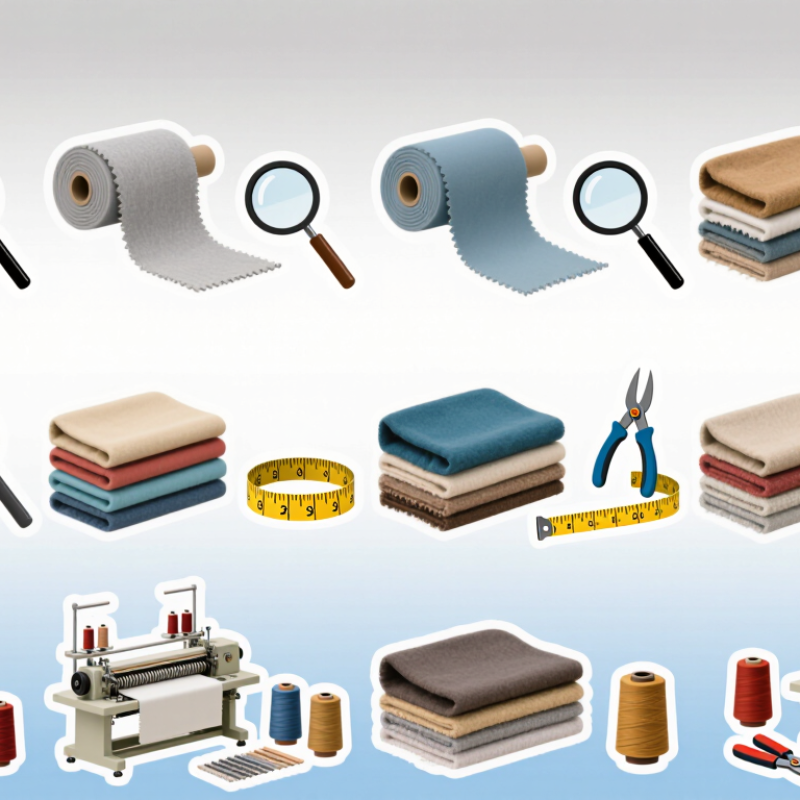
Top 10 Upholstery Canvas Manufacturers in China

What Upholstery Canvas Is and How It Is Used

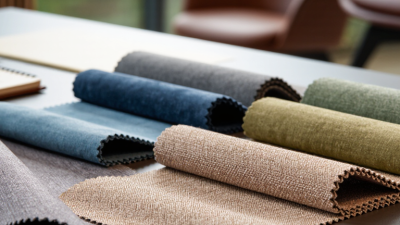
Upholstery canvas is a firm, tightly woven fabric used to cover sofas, dining chairs, ottomans, and cushions. “Canvas” describes a construction, not one fixed fiber: cotton, polyester, linen, and blends can all be used. The close weave helps resist snagging and gives the surface a crisp, workwear-like texture.

Run a hand across it. You may feel the grain.

For contract projects, the Association for Contract Textiles’ performance guidelines set a benchmark of 30,000 Wyzenbeek double rubs for woven upholstery. This helps buyers compare test results, but it does not guarantee a specific service life. Abrasion tests cannot fully reproduce sunlight, spills, pets, or repeated pressure on a sofa’s front edge. That matters.

Check the fabric’s abrasion result alongside colorfastness, seam slippage, cleaning instructions, and the intended setting. A heavy canvas may feel reassuring, yet weight alone does not prove it will perform well. Ask for test documentation, and inspect a sample under the room’s actual lighting.

Small details count: a rough seam allowance can show through, while a pale canvas may reveal denim dye transfer. Even careful specifications leave some uncertainty.

China’s Upholstery Canvas Industry at a Glance

China’s upholstery canvas industry brings together weaving, dyeing, coating, and finishing operations. Many manufacturers work with cotton, polyester, or blended yarns, then adjust fabric weight and surface feel for different furniture uses. The details matter. A canvas intended for a firm dining chair may need a tighter weave than one used on a relaxed sofa.

Factories often offer choices in color, backing, abrasion performance, and width. Buyers should compare technical sheets with physical samples, because figures alone cannot show how a fabric drapes or feels under hand. Ask how color consistency is checked across production lots. Also inspect the reverse side; uneven coating can affect sewing and long-term handling. Small checks can prevent expensive surprises.

Manufacturing capacity and product consistency are not the same thing. A large production line may meet a demanding order, yet sample-to-bulk variation still deserves attention. Request test results relevant to the intended use, and confirm the test method before comparing figures. A clean sample alone proves little. One weakness in sourcing discussions is treating “upholstery grade” as a precise specification; it is not. Clear requirements for weave, weight, color tolerance, and finish make supplier comparisons more useful, though they take extra time.

Top 10 Upholstery Canvas Manufacturers in China - China’s Upholstery Canvas Industry at a Glance

Industry snapshot: the entries below cover common upholstery canvas materials and buyer evaluation points, rather than ranking or identifying individual manufacturers.

Material Segment Typical Construction Common Upholstery Uses Buyer Evaluation Points
Cotton duck canvas Plain or other tight woven cotton fabric; “duck” commonly refers to a firm, closely woven construction. Slipcovers, cushions, and decorative upholstery where a natural-fiber look is desired. Check fabric weight, shrinkage, colorfastness, and cleaning instructions for the intended use.
Polyester canvas Woven fabric made primarily from polyester yarns; finishes vary by product. Indoor furniture covers, cushions, and upholstery requiring a synthetic-fiber option. Assess abrasion performance, pilling, colorfastness, and whether the finish affects care or hand feel.
Polyester-cotton canvas A woven blend combining polyester and cotton; fiber proportions differ between fabrics. General-purpose upholstery and covers where buyers want a blend of fiber characteristics. Confirm the exact fiber percentages, dimensional stability, and test results for the chosen construction.
Acrylic canvas Woven acrylic fabric; solution-dyed versions color the polymer before fiber formation. Outdoor cushions and furniture coverings, subject to the fabric’s specified outdoor performance. For outdoor use, request evidence for light exposure, water-related performance, and care requirements.
PVC-coated polyester Polyester base cloth with a polyvinyl chloride coating; coating weight and surface finish vary. Wipe-clean seating, contract applications, and some outdoor furniture coverings. Check coating adhesion, flexibility, seam behavior, cleaning compatibility, and applicable chemical requirements.
PU-coated polyester Polyester textile base with a polyurethane coating or surface layer. Indoor seating and upholstery products that specify a coated, cleanable surface. Review hydrolysis or aging data where relevant, along with abrasion, flex, and cleaning test results.
Olefin upholstery fabric Woven fabric made with olefin fibers, typically polypropylene; styles and constructions vary. Indoor or outdoor cushions when the product specification and test evidence suit the application. Compare abrasion, lightfastness, stain-cleaning guidance, and performance after the intended exposure.
Linen-blend canvas Woven fabric containing linen, often blended with other fibers to achieve a specified appearance or performance. Decorative upholstery and cushions where a linen-like texture is preferred. Verify fiber composition, expected creasing, shrinkage, and cleaning method before ordering.
Recycled-polyester canvas Polyester fabric made with some or all recycled polyester; recycled content must be confirmed for each product. Furniture covers and upholstery projects with a specified recycled-content requirement. Request documentation of recycled content and assess the same durability and color tests as for other fabrics.
Flame-retardant-treated canvas A woven upholstery fabric treated or engineered to meet a specified flammability requirement. Projects whose destination market, end use, or contract specification requires fire testing. Confirm the exact test method and end-use assembly; requirements differ by market and application.

Testing note: common reference methods include ISO 12947-2 or ASTM D4966 for abrasion, ISO 105-B02 for colour fastness to light, and ISO 105-X12 for colour fastness to rubbing. These methods do not establish that a fabric meets a particular buyer specification; request current reports for the exact fabric and intended use.

How to Assess Upholstery Canvas Manufacturers

Top 10 Upholstery Canvas Manufacturers in China

How to Assess Upholstery Canvas Manufacturers

A supplier’s showroom sample is only a starting point. Ask for the fabric’s fiber composition, canvas weight, yarn details, backing construction, and production-lot records. Then request recent test reports for abrasion, seam slippage, colorfastness, and dimensional stability. Check the reverse. Loose backing fibers or uneven coating can signal problems that a front-facing swatch hides.

Match tests to the intended use. ASTM D4157 and ISO 12947 use different abrasion methods, so their results are not directly interchangeable. Ask which method was used, under what conditions, and whether the report covers the exact fabric being quoted. A high rub count alone is not proof of long service life. Request a larger sample and inspect it after cleaning or repeated flexing. Real use is messy.

Traceability matters, too. Textile Exchange’s Materials Market Report 2024 estimates global fiber production reached 124 million tonnes in 2023, with polyester representing about 57%. For recycled-content claims, request transaction records or third-party verification, not just a sales brochure. Compare sample results with delivered rolls, and clarify how defects are handled. Even careful checks cannot remove every risk; suppliers may change yarns or finishes between lots. That is worth discussing before ordering.

How to Assess Upholstery Canvas Manufacturers

Suggested evaluation weights for comparing suppliers—not market survey results. Adjust them to suit the product’s end use, performance requirements, and sourcing priorities.

Profiles of Ten Upholstery Canvas Manufacturers in China

China’s upholstery canvas manufacturers differ more in process control than in catalogue size. These ten profiles examine practical strengths: heavy plain-weave construction, solution-dyed yarn, pigment printing, water-repellent finishing, recycled-fiber blends, and custom-width production. Some mills focus on stable color across repeat orders; others handle short runs or textured surfaces. A useful profile records fabric weight, yarn composition, usable width, abrasion results, and lead time. Ask for the test method, not only the score.

Textile Exchange’s Materials Market Report 2024 estimates that global fiber production reached 124 million tonnes in 2023. Polyester accounted for about 57 percent, while cotton represented roughly 20 percent. These figures help explain why many upholstery-canvas suppliers offer both synthetic and cotton-rich constructions. They do not prove that a particular fabric will perform well on furniture. Check a production-lot sample, inspect the reverse side, and compare color under daylight and warm indoor lighting. Small differences matter.

The profiles also consider finishing consistency, traceability, sample support, and communication during specification changes. A mill may produce a crisp, tightly woven canvas, yet struggle to match a later dye lot. That deserves scrutiny. A swatch is not a factory audit. Buyers should request current test reports for abrasion, seam slippage, and colorfastness, then confirm that the tested construction matches the quoted fabric. The uncomfortable detail? Public company information can be thin, so some comparisons remain provisional.

Comparing Manufacturers by Materials, Capacity, and Services

Comparing China’s upholstery canvas manufacturers requires more than checking product photos. Material choices shape durability, feel, and care requirements. Ask for fiber content, fabric weight in grams per square meter, weave density, and any surface coating. Request physical swatches, too. A canvas that looks sturdy online may feel stiff or show uneven color under workshop lighting. Small details matter.

Capacity affects whether a supplier can repeat an order consistently. Compare monthly output, standard lead times, minimum order quantities, and how production is checked between sample and bulk runs. A heavier fabric is not automatically better. Test abrasion resistance and colorfastness against the intended use, and confirm the test method rather than relying on broad claims. Ask what happens when a batch varies. That detail is easy to miss.

Services can separate capable manufacturers from basic mills. Some provide custom colors, width adjustments, cutting, or sample development; others focus on fabric supply alone. Clarify which steps happen in-house and which are outsourced, since this can affect timing and accountability. A comparison of the top ten should therefore weigh materials, documented capacity, and service scope together. Public information may be incomplete, so treat rankings as a starting point and verify specifications with current samples and written production details.