
Blog
Blog
Blog
How to Choose the Best Furniture Upholstery Fabric?
Choosing the right furniture upholstery fabric can change how a room looks, feels, and functions every day. A pale linen sofa may brighten a small living room, while a textured weave can soften a busy space. But appearance alone rarely tells the whole story. Fabric choices affect cleaning, comfort, durability, and how well furniture suits the people who use it.
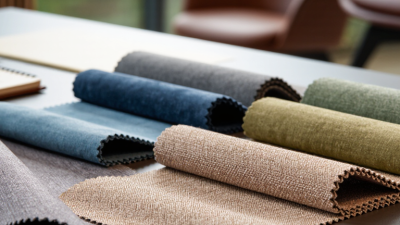
Start with the room’s real conditions. Does sunlight fall across the seat each afternoon? Will children, pets, or frequent guests use it? Consider fiber content, weave, color, and the manufacturer’s care instructions before deciding. A fabric’s abrasion rating can offer useful guidance, but it does not predict every kind of wear. Small tests help. Order swatches and view them beside your flooring and curtains, both in daylight and after dark. Touch them, too; a material that looks elegant online may feel scratchy against bare arms. There is no perfect choice, and that can be frustrating. A stain-resistant finish may simplify cleanup, yet it may not make every spill disappear. This guide explains how to compare common upholstery materials, assess practical features, and balance price with long-term use. With a few careful checks, you can choose fabric that feels right in your home, not just in a product photo.
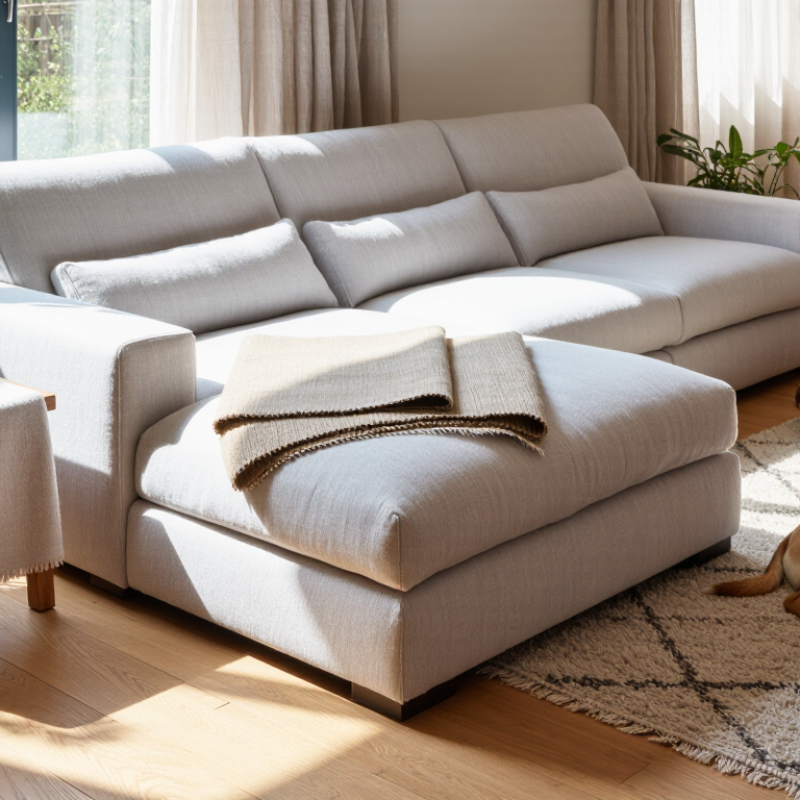
Define Use and Traffic: ACT Sets 15,000 Double Rubs for Woven Upholstery
Choose upholstery by the way a room is used, not by appearance alone. ACT’s Performance Guidelines cite 15,000 Wyzenbeek double rubs as a benchmark for woven upholstery in light-use settings. One double rub is a back-and-forth pass against the fabric. A quiet bedroom chair may face little daily abrasion; a dining chair pulled out several times a day needs more resilience. Count the real traffic.
For busy family rooms, reception areas, or seats used by children and pets, ask for a higher tested rating and confirm the intended use category with the supplier. ASTM D4157 describes the Wyzenbeek abrasion test, but its result measures abrasion under controlled conditions—not years of service in your home. Not a guarantee. Pilling, seam strength, cleaning, sunlight, and fabric construction also affect how upholstery wears. A tightly woven sample can feel sturdy, yet still show marks where a person repeatedly sits. Rub counts help narrow choices; they do not tell the whole story.
Sources: ACT Performance Guidelines and ASTM D4157.
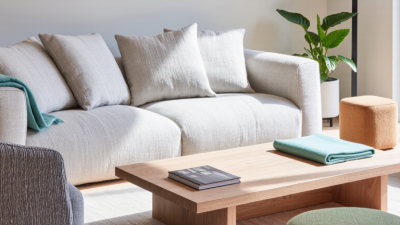
Compare Fibers: Weigh Durability, Breathability, Stain Resistance, and Care
Choosing upholstery fabric starts with how the room is used, not just how a swatch looks. Cotton feels breathable, but spills can soak in quickly. Polyester often resists fading and everyday stains, though tight weaves can feel less airy. Wool can recover well from compression, yet still needs suitable cleaning. Fiber alone does not determine performance; weave, backing, and finish matter too.
For durability, ACT’s Upholstery Fabric Performance Guidelines use 15,000 Wyzenbeek double rubs as a residential benchmark and 30,000 for high-traffic commercial settings. These figures help compare fabrics, but abrasion scores do not predict every cause of wear. Numbers help. A rough pet claw, direct sun, or repeated cleaning can change the outcome. Check the care label: some fabrics tolerate water-based cleaning, while others require professional care. Stain resistance is useful, not magic; test cleaners on a hidden area first.
Tips: Ask for a sample and live with it for a few days. Rub it gently, inspect the weave in daylight, and check whether the texture feels comfortable against bare skin. I would not choose by stain claims alone; the right balance depends on your household, and that judgment can be imperfect.
Review Test Results: ASTM D4157 Abrasion, Pilling, and Colorfastness
When comparing upholstery fabrics, read the test report, not just a headline rating. ASTM D4157 evaluates abrasion with a back-and-forth rubbing motion. Results are commonly reported in double rubs. A higher count can suggest better resistance to surface wear, but it does not guarantee longer life in every home.
Check the tested fabric construction, backing, and test conditions. A tightly woven sample may behave differently from a loose weave, even when their ratings look similar.
Pilling is a separate issue: small fiber knots can form where people sit or brush past the fabric. Review the test method and rating scale, since methods and scales can differ. Higher ratings usually mean less visible pilling.
Colorfastness also needs context. Reports may test fading from light or color transfer from wet or dry rubbing. Ask which exposure was measured, especially if the sofa will sit near a sunny window.
Numbers help. Yet a test cannot fully reproduce pets, denim, cleaning habits, or years of daily use. Use results to compare like with like, then consider the fabric’s texture and where it will be used.
Match Cleaning Codes: W, S, W/S, and X Indicate Approved Care Methods
A fabric’s color and feel matter, but its cleaning code can determine whether everyday spills are manageable. W means use water-based cleaners; S calls for water-free, solvent-based cleaning. W/S allows either method, while X means vacuum or brush gently—do not apply liquid cleaners. Check the maker’s care instructions, too. Codes are a guide, not a promise that every stain will come out.
The Association for Contract Textiles’ Performance Guidelines use 30,000 Wyzenbeek double rubs as a durability benchmark for woven upholstery. That figure measures abrasion resistance, not stain removal or cleaning safety. An X-coded fabric may handle frequent sitting yet still need professional cleaning when stained. Easy to confuse the two.
For a fresh spill, lift solids with a spoon and blot with a clean white cloth; rubbing can spread the mark. Test any approved cleaner on a hidden area and let it dry before treating the visible spot. With S-coded fabric, avoid water—even a damp cloth may leave a ring—and use a qualified upholstery cleaner if needed. W/S offers more flexibility, but too much liquid can still leave marks. I would not choose by code alone; household habits, pets, and sunlight matter, and no label removes the need for care.
Check Safety and Fit: Verify Local Fire Rules, Fabric Width, and Pattern Repeat
Before ordering upholstery fabric, check the fire-safety requirements that apply to your furniture and location. Rules can differ for residential, rental, and commercial settings, so confirm details with your local authority or a qualified upholsterer. Do not assume a fabric is suitable because it feels sturdy or carries a safety label. Ask for current test documentation, and check whether the requirement applies to the fabric alone or the finished furniture. Small details matter.
Fabric width affects how much material your project needs. Measure the sofa, chair, or cushion carefully, then compare those dimensions with the fabric’s usable width. A narrow roll may require extra seams, while a wide pattern can create more offcuts than expected. Pattern repeat matters too. If the design has large flowers or stripes, the upholsterer may need additional fabric to align motifs across cushions and arms. I once underestimated this, and the mismatch was obvious.
Tips: Ask the seller for the fabric width and vertical and horizontal pattern repeats. Share clear furniture measurements with your upholsterer, and request an estimate that accounts for matching the pattern. Check a full-width sample if possible; a small swatch can hide how a large motif lands. Even careful planning can leave a little waste. That is frustrating, but better than running short mid-project.