
Blog

blog

Blog

blog

Blog

blog

What Are the Top Furniture Upholstery Fabric Types in 2026?

By 2026, furniture upholstery fabric choices will still come down to more than color and price. A pale linen sofa can feel cool and relaxed, but show marks quickly in a busy home. A tightly woven polyester blend may handle daily use better, though it can feel less natural. Velvet, chenille, cotton, wool, and performance fabrics each bring different textures, care needs, and trade-offs. No fabric wins every room.

Industry reports help frame the choice, but they need careful reading. Textile Exchange’s Materials Market Report 2024 estimates that global fiber production reached 124 million tonnes in 2023, with polyester accounting for 57 percent. That figure covers textiles broadly, not upholstery alone. Grand View Research’s upholstery-fabric market analysis offers a more focused view of the sector, yet market forecasts cannot tell you how a particular fabric will perform under pets, sunlight, or repeated cleaning. Those details matter. This guide compares leading fabric types through practical considerations, including durability, comfort, maintenance, and likely use. Treat any general ranking as a starting point: construction, finish, and household habits can change the result. A swatch beside a sunny window may reveal more than a polished product description.
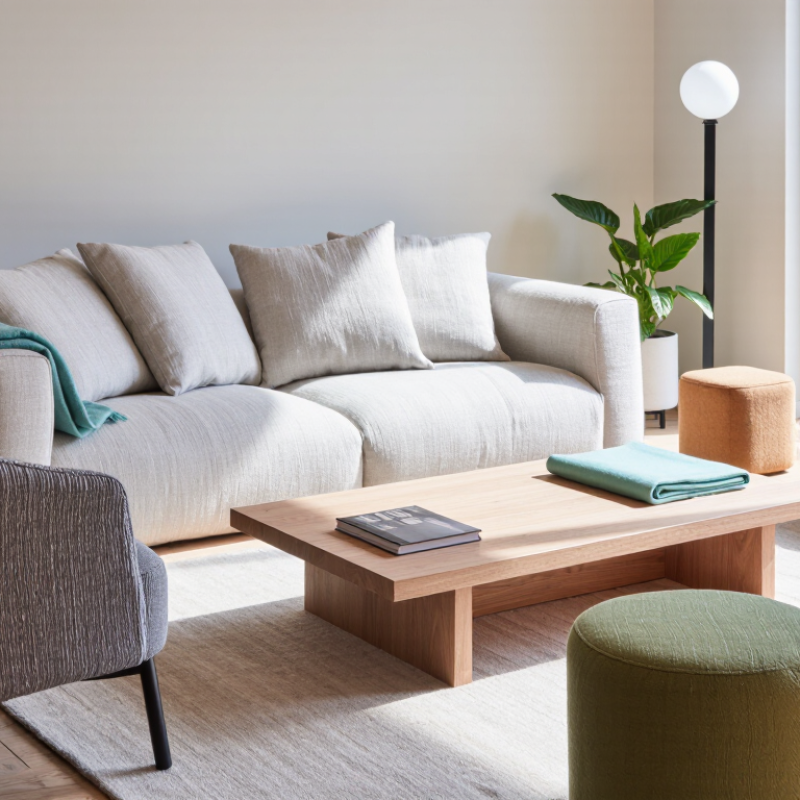
What Are the Top Furniture Upholstery Fabric Types in 2026?

What Upholstery Fabric Is and How It Is Classified

Upholstery fabric is the textile layer covering furniture’s seats, backs, and arms. It sits over padding and a supporting frame, so it must handle repeated pressure, friction, and occasional spills. A sofa seat may show wear sooner than its back because people slide across it and sit in the same spots. That distinction matters. A fabric that feels soft in a hand sample may behave differently when stretched over a cushion.

Fabric is commonly classified by fiber content, construction, and performance. Fiber categories include natural materials such as cotton, linen, and wool; synthetics such as polyester and nylon; and blends that combine different properties. Construction describes how yarns form the surface: a tight plain weave, a textured twill, or a pile fabric such as velvet. Each structure affects feel, appearance, snagging, and cleaning needs. Names alone can be misleading. Two “linen blends” may differ greatly in weave, finish, and durability.

Performance labels can help compare fabrics, but no single number predicts how a piece will age in every home. Abrasion results, stain resistance, and cleaning codes each describe specific qualities, not overall suitability. Consider sunlight, pets, children, and how often the furniture is used. Check the care instructions, inspect a larger sample, and ask how its color and texture may change with use. Classification is useful, but real-life wear is less tidy than a chart.
Which Natural Upholstery Fabrics Stand Out in 2026

Natural upholstery fabrics stand out in 2026 for their tactile character and visible texture. Cotton feels familiar and breathable, while linen brings a dry hand and relaxed creases. Wool offers a springier surface that can soften everyday wear. Textile Exchange’s 2024 Materials Market Report estimates cotton made up about 20% of global fiber production in 2023, while wool accounted for roughly 1%. Those figures cover all textile uses, not upholstery alone, but they show how differently these fibers scale. Natural does not automatically mean durable.

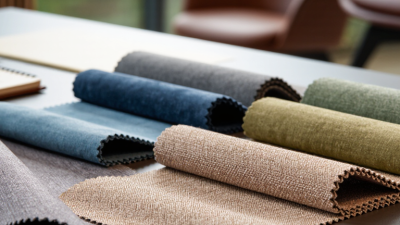
For a sofa, inspect the weave, backing, and care instructions alongside the fiber label. A tightly woven linen blend may suit a busy living room better than a loose, delicate linen. Wool can feel reassuringly substantial. Still, it may not suit every budget or cleaning routine. Ask for a physical sample, then check it in daylight and against your actual cushions; color and texture can shift noticeably. Upholstery testing also matters: the Association for Contract Textiles notes that abrasion results should be considered with other performance factors, not treated as a guarantee of service life. One detail is easy to miss. Sunlight, pets, and frequent spot-cleaning can change how natural fabrics age, so match the material to the room’s real habits—not just its showroom appearance.

Which Natural Upholstery Fabrics Stand Out in 2026?

Standard moisture regain (%) offers one useful point of comparison for natural upholstery fibers.

Wool has the highest standard moisture regain in this comparison, followed by linen and hemp. These conventional fiber values are not durability ratings: upholstery performance also depends on fabric construction, finish, and care.

Which Synthetic and Performance Fabrics Lead in 2026

In 2026, polyester blends remain a practical choice for everyday upholstery. They resist wrinkles, hold color well, and come in textures that resemble linen or soft chenille. For a busy family sofa, a tightly woven polyester blend can handle regular sitting and quick surface cleaning. Check the fabric’s care instructions before using cleaners; finishes differ.

Solution-dyed acrylic and olefin are strong options where sunlight, spills, or frequent use are concerns. Their color is built into the fiber, which can help reduce visible fading. Olefin also dries quickly, making it useful for casual seating and humid rooms. Look closely at the weave, though. A pale, loosely woven fabric may still show dirt or snag around pets’ claws.

Performance does not mean indestructible. Not even close. Nylon blends can improve abrasion resistance, while stain-resistant treatments may make routine cleanup easier. But a coating can wear down, and aggressive scrubbing can damage the surface. Ask for test results, such as abrasion and colorfastness ratings, and compare them with your actual household needs. A high score is helpful, not a promise of years without wear. For most homes, the best fabric balances feel, maintenance, and durability—not just the word “performance” on a product description.

How Upholstery Fabrics Compare in Durability and Care

Durability depends on fiber, weave, and how a sofa is used. For busy living rooms, tightly woven polyester or performance blends often handle spills and daily friction well. Their smooth surfaces are usually easier to wipe than textured fabrics. But “easy-care” does not mean stain-proof. Check the care label before using water or cleaners.

Cotton and linen feel breathable, though they can wrinkle, fade in strong sunlight, or absorb spills quickly. Wool resists everyday soil naturally, but may need professional cleaning. Velvet can wear well when densely woven; crushed nap and pressure marks are part of its character, not always damage. Leather is simple to wipe, yet sunlight and dry indoor air can cause fading or cracking without care. There are trade-offs.

Ask for the fabric’s abrasion-test results, such as Martindale or Wyzenbeek, and treat them as comparison tools, not promises. A high score cannot account for pets, sharp belt hardware, or loose seams. For routine upkeep, vacuum with a soft upholstery attachment and blot spills promptly; rubbing may push soil deeper. Rotate cushions when possible. Small habits help. Still, choosing the most durable fabric can be a mistake if it feels unpleasant every day.

What Are the Top Furniture Upholstery Fabric Types in 2026? — How Upholstery Fabrics Compare in Durability and Care
Fabric type Typical durability Stain and wear characteristics Care considerations Often suited to
Polyester Good to very good; performance varies with yarn, weave, and fabric construction. Generally resists stretching and fading; many polyester upholstery fabrics are reasonably stain-resistant, but oils can be difficult to remove. Vacuum regularly and blot spills promptly. Follow the fabric’s care label; some covers can be cleaned with water, while others require solvent-based care. Everyday sofas, family rooms, and blended upholstery.
Polyester microfiber Good to very good when densely woven. Tight construction can help limit dust and liquid penetration, but it is not automatically stain-proof. Pile may show pressure marks or change direction. Vacuum with an upholstery attachment and blot rather than rub. Use only the cleaning method specified on the care label. Frequently used seating and households seeking a soft, close-textured surface.
Nylon Very good abrasion resistance; often used in blends rather than alone. Handles repeated friction well. Some nylon fabrics can be prone to static or heat damage, depending on construction and finish. Vacuum routinely and clean spills promptly. Avoid high heat and check the manufacturer’s care instructions. High-use seating and upholstery blends designed for durability.
Olefin (polypropylene) Good to very good, particularly in suitable tightly constructed fabrics. Resists moisture and many water-based stains; oily soils may be harder to remove. High heat can damage the fiber. Blot spills promptly and avoid hot appliances or high-temperature cleaning. Follow the fabric care label. Casual seating, some indoor-outdoor upholstery, and areas where moisture resistance is useful.
Acrylic Good; performance depends on the fabric’s construction and intended use. Often offers good resistance to sunlight and fading. It may pill or wear differently depending on the yarn and weave. Vacuum or brush gently and clean according to the care label. Confirm that a particular fabric is rated for outdoor use before using it outside. Sunlit rooms and upholstery specifically made for indoor-outdoor use.
Cotton Moderate to good; tightly woven or blended versions typically handle use better than loose, lightweight cloth. Comfortable and breathable, but can wrinkle and may absorb spills. Some colors can fade with prolonged sunlight. Blot spills promptly. Water or cleaning products can cause shrinkage, marks, or color change on some fabrics, so check the care label first. Comfortable everyday furniture, especially in blends or removable covers with clear care instructions.
Linen Moderate; strong fibers can still show creasing and wear, especially in loosely woven upholstery. Breathable with a natural texture, but it wrinkles readily and can stain if spills are left untreated. Blot, do not rub. Avoid soaking and use only the recommended cleaning method, as water can leave marks on some linen fabrics. Lower-use seating and interiors where a relaxed, natural texture is preferred.
Wool Good to very good; resilient fibers can recover well from compression. Often resists crushing and can mask minor soil, though it may be vulnerable to moth damage and certain cleaning chemicals. Vacuum regularly and blot spills quickly. Use a cleaner experienced with wool upholstery when professional cleaning is needed. Comfortable seating and interiors that benefit from a resilient natural fiber.
Viscose (rayon) Low to moderate for demanding upholstery; performance can improve in blends, but construction matters. Can have a soft, silk-like appearance, but may be less resilient and more vulnerable to water-related marks or abrasion. Keep moisture and rubbing to a minimum. Follow the care label carefully; professional cleaning may be recommended. Decorative or lower-use furniture where appearance is prioritized over heavy daily wear.
Silk Low for everyday, high-use seating. Luxurious and smooth, but sensitive to abrasion, sunlight, moisture, and staining. Protect from direct sunlight and spills. Avoid DIY wet cleaning; consult the care instructions and a qualified upholstery cleaner. Formal, decorative, or lightly used furniture.
Natural-fiber blends Variable; adding synthetic fibers may improve abrasion resistance or shape retention, but does not guarantee it. Characteristics depend on the fiber proportions, weave, backing, and finish. Blends can balance texture and practicality. Use the care instructions for the finished fabric, not assumptions based on one fiber in the blend. Furniture where a mix of natural texture and practical performance is desired.

How to compare fabrics: These are general tendencies, not guarantees. Durability depends on fiber, yarn, weave, backing, finish, and usage. When available, compare abrasion-test results using the same test method, and check the furniture’s care label before cleaning. Fabric cleaning codes commonly include W (water-based cleaner), S (solvent-based cleaner), WS (either method), and X (vacuum or brush only); always follow the specific manufacturer’s instructions.

How to Choose an Upholstery Fabric for Your Furniture

Choosing upholstery fabric starts with the room, not the swatch. A sunny window can fade some colors, while a busy family sofa needs a surface that cleans easily and resists wear. For a formal chair, texture may matter more than stain resistance. Check the care instructions before ordering; “easy to clean” can mean different things for different fibers.

Fiber names are only part of the decision. Textile Exchange’s 2024 Materials Market Report estimates that polyester made up 57% of global fiber production in 2023. That figure does not describe upholstery alone, but it reflects how widely available synthetic fibers are. Polyester and acrylic blends can offer practical options, while cotton and linen bring a natural feel that may wrinkle or show spills more readily. Feel a large sample in your own room. Small swatches can mislead.

For a high-traffic woven sofa, ACT’s Upholstery Fabric Performance Guidelines use 30,000 Wyzenbeek double rubs as a benchmark. It is not a lifespan promise, and abrasion results do not measure every aspect of quality. Ask about colorfastness, pilling, and cleaning method, too. Look closely at seams and cushions. I would not choose by touch alone; that is an easy mistake.