Top Leather Upholstery Fabric Suppliers in China?
China’s leather upholstery fabric suppliers serve furniture, automotive, hospitality, and marine buyers. The market can look straightforward from a catalog. It is not. “Leather” may mean genuine hide, bonded material, or synthetic leather, and each requires different testing and care.
Demand is supported by large downstream industries. The China Association of Automobile Manufacturers reported that China produced 31.28 million vehicles in 2024, up 3.7% year over year. This figure does not measure upholstery demand directly, but it shows the scale of one important application market. Grand View Research’s upholstery market analysis also segments demand by uses such as furniture and automotive, a useful reminder that supplier fit depends on the end product.
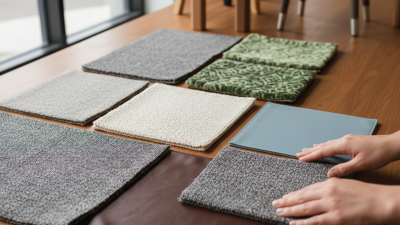
A supplier’s sample book is only a starting point. Ask for clear material composition, backing details, thickness, abrasion results, colorfastness data, and batch-level quality records. For vehicle or contract seating, request test reports matched to your intended use rather than relying on broad claims. Check lead times, minimum order quantities, and whether the factory can reproduce the same shade across repeat orders. Small differences matter. A warm tan sample can arrive cooler under showroom lights, and a durable-looking grain may feel stiff after long use. Supplier rankings can help build a shortlist, but they cannot replace sample testing and factory verification. Some details are easy to miss. That is worth admitting.
Understanding Leather Upholstery Fabrics and Their Applications
Top Leather Upholstery Fabric Suppliers in China?
Understanding Leather Upholstery Fabrics and Their Applications
Leather upholstery fabrics differ in construction, surface finish, backing, and performance. Genuine leather has natural grain and variation, while coated alternatives often provide more consistent color and simpler routine cleaning. Neither suits every setting. A sunny café booth, for example, faces abrasion, spills, and heat near windows. When comparing Chinese suppliers, ask for construction details rather than judging a material by its sample alone.
For sofas and lounge chairs, check thickness, seam behavior, abrasion results, and relevant test reports. A soft surface feels inviting, yet thin material may wrinkle around tight corners. In vehicle seating or hospitality interiors, stain resistance and colorfastness matter. Results depend on the test method and conditions. Request swatches and reports for the exact finish and backing, then view samples under warm and cool lighting. Small details matter.
Maintenance also affects service life. Remove dust with a soft cloth and follow the care instructions for that specific surface. Harsh cleaners may dull coatings or dry natural leather. One limitation deserves attention: flat-sheet tests cannot predict every seam or cushion outcome. Try a small panel on the intended frame before placing a larger order. Suppliers can explain available options, but the application should guide the choice. That decision may need another look.
How to Assess Leather Upholstery Fabric Suppliers in China
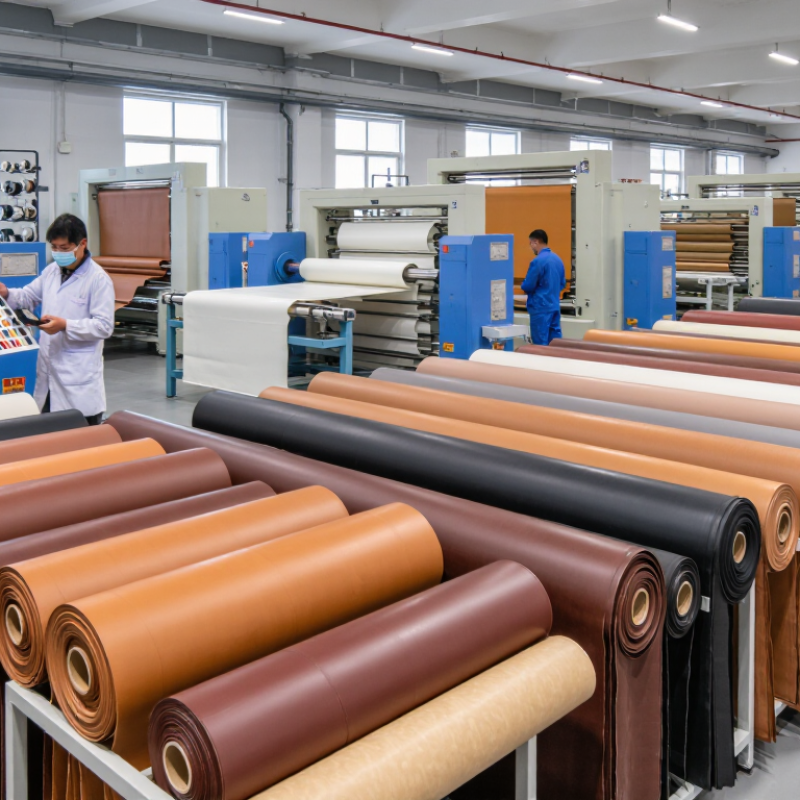
Assess leather upholstery fabric suppliers in China by checking how clearly they explain their materials and production. Ask whether the product is genuine leather or a coated alternative, and request details on backing, thickness, finish, and intended use. A reliable supplier should answer in specific terms, not just call every option “durable.” Small details matter.
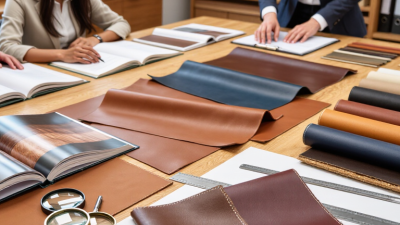
Request a sample from the production range you plan to order. Examine it in daylight, bend it around a tight corner, and rub it with a clean white cloth to check for color transfer. Ask for test reports, including the test method and sample identity. I would not treat one good sample as proof; that is an easy mistake. Not enough.
Discuss minimum order quantities, lead times, packaging, and how defects are recorded before placing an order. Ask whether the supplier conducts checks during production and before shipment, and what happens if a batch differs from the approved sample. Clear written answers are useful evidence of a workable process. Weak replies matter. A video call can also help you see the workshop, though it cannot replace an independent inspection or a properly documented sample.
Profiles of Leading Leather Upholstery Fabric Suppliers
Chinese leather upholstery fabric suppliers generally fall into three groups: integrated manufacturers, coating specialists, and export-focused fabric converters. Each profile suits a different buying need. Integrated manufacturers may coordinate backing, surface treatment, and finishing under one roof. This can simplify communication, though it does not guarantee consistent quality.
Coating specialists focus on surface feel, grain patterns, and wear performance. Ask how they test abrasion, color transfer, and seam strength. Request technical sheets, not just attractive swatches. Some suppliers can adjust thickness or texture for seating projects, but custom work may require larger orders and longer sampling cycles. Small details matter.
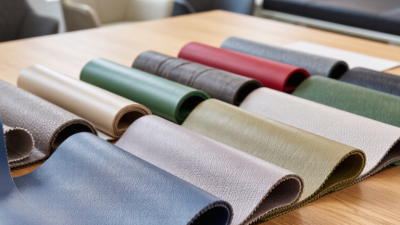
Export-focused converters often offer varied colors and flexible product ranges. They may source base cloth and apply finishes through partner facilities, so clarify which production steps they control. That label can mislead. A sample is only a snapshot; production rolls may differ slightly in shade or hand feel. Compare samples under the same lighting, check roll-width tolerances, and ask how defects are handled. These checks take time, and they still leave room for surprises.
Comparing Product Quality, Certifications, and Customization
Top Leather Upholstery Fabric Suppliers in China?
Comparing Product Quality, Certifications, and Customization
For upholstery buyers, supplier comparisons should begin with testable details, not showroom appearance. A smooth swatch can hide uneven coating or weak backing. Request samples from the intended production batch, then check thickness, color consistency, seam strength, and surface cracking. For coated fabrics, ask about abrasion, flex, and color-transfer test results. Small details matter.
Certifications are useful when their scope matches the material and factory being assessed. Ask for current documents, issuing-body details, test methods, and batch traceability; a certificate alone does not prove every shipment will perform alike. Customization also needs clear limits. Confirm available colors, embossing, backing options, minimum order quantities, and sample lead times in writing. Ask how changes are approved before bulk production. A practical specification sheet reduces misunderstandings, though it cannot remove every production variation. No checklist is perfect. Compare the approved sample with delivered rolls, and record any differences before installation.
Top Leather Upholstery Fabric Suppliers in China?
Comparing Product Quality, Certifications, and Customization
Illustrative 1–5 evaluation scores for anonymous supplier profiles, not verified company data or a market survey. Compare product samples and request current certification documents before making a sourcing decision.