
Blog

blog

Blog

blog

Blog

blog

What Is the Best Sofa Upholstery Fabric in China?

Choosing the best sofa upholstery fabric in China is not simply a matter of picking the softest sample. A velvet swatch may feel plush under showroom lights, yet show pressure marks after daily use. Linen can look relaxed and breathable, but wrinkles easily. Performance depends on the fiber, weave, finish, room conditions, and how the sofa is used.

For transparency, Lin Chen below is a fictional composite upholstery specialist, not a verifiable industry source. The original guiding line is: “Judge fabric by how it lives, not just how it feels.” That distinction matters. A family sofa facing a sunny window needs different qualities from an occasional-use seat in a guest room. Humid summers, pets, children, and frequent cleaning can all change what “best” means.

This guide compares common sofa upholstery options, including polyester blends, cotton, linen, velvet, and leather alternatives. It looks at abrasion resistance, pilling, color fading, breathability, cleaning needs, and cost. Fabric labels and test results can help, but they do not tell the whole story. Ask for a larger sample. Rub it gently, check the backing, and view its color in your room’s daylight. Some details are easy to miss. A fabric can pass one test and still disappoint in everyday use. The right choice is the one that fits your space, habits, and care routine—not a universal winner.
What Is the Best Sofa Upholstery Fabric in China?

What Is Sofa Upholstery Fabric and How Is It Classified?

What Is Sofa Upholstery Fabric and How Is It Classified?

Sofa upholstery fabric is the outer textile covering a sofa’s seat, back, and arms. It affects comfort, appearance, cleaning, and how well the sofa handles daily wear. Classification usually starts with fiber content. Natural fibers include cotton, linen, and wool; synthetic fibers include polyester, acrylic, and nylon. Blends combine fibers to balance qualities such as softness, strength, and ease of care. No blend is perfect.

Fabric is also grouped by construction. Woven cloth has interlaced threads and often holds its shape well. Knitted fabric stretches more, while velvet has a short, raised pile that changes shade when brushed. Microfiber is tightly constructed and can feel smooth under the hand. Some upholstery uses coated materials that resemble leather, but these are not woven fabrics. Check the product details rather than relying on a surface name alone.

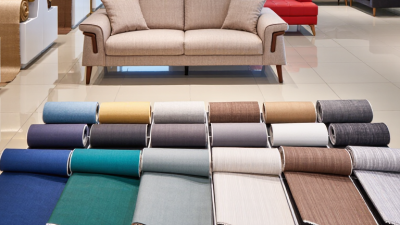
Performance labels may describe abrasion resistance, colorfastness, or pilling, but test results need context. Ask how and under what method the fabric was tested. At home, rub a sample gently, inspect its backing, and view it in daylight. A pale linen blend may feel airy, yet show marks more readily in a busy living room. A durable synthetic blend may be practical, though less pleasing to touch. China’s climates and household routines vary widely, so compare samples against your room, pets, and cleaning habits. I would not choose by touch alone.

Which Sofa Upholstery Fabrics Are Common in China?

In China, sofa upholstery commonly includes polyester fabric, microfiber, cotton or linen blends, velvet, and leather or synthetic leather. Polyester is popular because it comes in many colors and weaves, and everyday spills are often easier to manage than on delicate natural fibers. Microfiber has a close, soft surface; dust and crumbs can still collect in its seams. It feels soft. Cotton and linen blends offer a more natural texture, but may wrinkle or show stains sooner. Velvet adds depth and a plush feel, though its pile can show pressure marks after someone sits. Leather and synthetic leather are easy to wipe, but can feel warm in summer.

Tips: Ask for a fabric swatch and check it in daylight. Rub it gently, inspect the backing, and ask how to clean a stain. A showroom sample may not reveal how a fabric behaves after months of use.

The best choice depends on the room, household, and care routine, not just appearance. In humid regions, check the supplier’s cleaning guidance and let upholstery dry fully after cleaning. For pets or frequent guests, a tightly woven, removable cover may be more practical. Still, “easy-care” does not mean stain-proof. I would compare the fabric’s feel and maintenance needs before trusting a label or choosing by color alone.

How Do These Fabrics Compare in Comfort, Durability, and Care?

What Is the Best Sofa Upholstery Fabric in China?

How Do These Fabrics Compare in Comfort, Durability, and Care?

For comfort, compare how each fabric feels against your skin and suits your room. Linen and cotton blends feel breathable, especially in warm, humid weather, but can wrinkle and absorb spills. Polyester upholstery often resists everyday wear and is easier to clean, though some finishes feel less airy. Chenille has a soft, raised surface that feels inviting, but its texture can catch crumbs and pet hair. There is no perfect pick. A small swatch can feel different from a whole sofa.

Durability needs more than a reassuring sales label. The Association for Contract Textiles’ upholstery guidelines set 30,000 Wyzenbeek double rubs as a high-traffic benchmark for woven fabrics. They also cite 40,000 Martindale cycles. These tests measure abrasion, not stain resistance, comfort, or years of service. A high score helps, but construction and daily care still matter. Check the cleaning instructions before buying; some fabrics tolerate gentle water-based cleaning, while others need professional care.

Tips: Request a swatch and test it at home. Sit on it, inspect it in daylight, and dab a small spill using the maker’s care instructions. If children or pets share the sofa, prioritize cleanability over a delicate texture. Then check the seams and cushions, too. A durable cover cannot fix weak construction.

What Factors Matter When Choosing Sofa Fabric in China?

Choosing sofa fabric in China starts with the room, not a trend. A sunlit apartment in Shenzhen may need better colorfastness than a shaded room in Chengdu. Humidity, pets, children, and daily use all affect the choice. There is no single fabric for every home.

Check the fabric’s composition and care label before judging its appearance. Polyester blends often handle everyday wear and dry quickly, while linen can feel cool but wrinkle easily. Cotton feels familiar, yet may stain or fade without suitable treatment. Ask for abrasion and colorfastness test results; numbers help, but test methods differ. Rub a sample with a clean white cloth. Check the seams. Test it first.

Texture matters during a long evening, not just at arm’s length. Tight weaves can be easier to vacuum than loose boucle, which may catch crumbs or pet claws. View a swatch under warm and cool light to see whether its color shifts. For humid homes, removable covers and clear cleaning instructions may matter more than a luxurious label. It is easy to overvalue softness on a showroom swatch; daily sitting can tell a different story.

What Is the Best Sofa Upholstery Fabric in China? — Factors to Consider

Fabric or Factor Key Characteristics Advantages Limitations Best Suited For Practical Buying Check
Polyester and polyester blends Synthetic fibers available in many weaves, colors, and textures. Often colorfast, widely available, and relatively easy to clean. Blends can combine polyester with natural fibers. Performance varies by yarn, weave, backing, and finish; some fabrics may feel less breathable or develop static. Everyday family use and buyers seeking a broad choice of styles and maintenance levels. Check the fiber composition, cleaning instructions, and test results for abrasion, pilling, and colorfastness.
Polyester microfiber A tightly constructed fabric made with very fine synthetic fibers. Typically has a soft feel and a dense surface. Some constructions resist everyday wear and are straightforward to maintain. Can show water marks or changes in nap, depending on the fabric and cleaning method. “Microfiber” alone does not guarantee a particular performance level. Homes looking for a soft, practical fabric for regular seating. Ask for the exact care code and test the recommended cleaning method on an inconspicuous area.
Linen and linen blends Plant-based fibers with a crisp, natural texture; blends may reduce some handling or maintenance issues. Breathable feel and a distinctive, relaxed appearance. Pure linen can wrinkle and may show wear or stains more readily than some synthetic options. Performance depends on construction and blend. Light-use rooms and buyers who value a natural texture and relaxed look. Confirm whether the fabric is pure linen or a blend, and follow the supplier’s cleaning guidance.
Cotton and cotton blends Soft, breathable natural fiber; blends can alter durability, texture, and care requirements. Comfortable to the touch and available in many colors and weaves. May absorb spills and can wrinkle or fade with exposure to sunlight; stain resistance varies by finish. Comfort-focused use where the fabric can be cleaned and maintained as directed. Check for a removable cover, cleaning instructions, and any stain-resistant treatment details.
Velvet A pile fabric that may be made from polyester, cotton, or a blend. Soft hand feel and a rich, dimensional appearance. The pile can show pressure marks, shading, or brushing direction; cleaning needs depend on fiber content and construction. Statement seating and rooms where appearance and tactile comfort are priorities. Ask about pile care, cleaning method, and how the fabric looks when brushed in different directions.
Chenille A soft, textured yarn used in a range of upholstery constructions. Comfortable texture and a visually substantial appearance. Some constructions may snag, flatten, or show wear in high-contact areas. Comfortable living-room seating with moderate use. Inspect the sample for loose loops and ask about abrasion and snagging performance.
Leather A natural hide material; surface finish and leather grade affect its appearance and upkeep. Can be wiped clean of many fresh surface spills and develops character with use, depending on finish and care. Usually costs more than many fabric options and can feel cool in winter or warm against skin in hot weather. It may scratch and needs suitable care. Buyers who prefer a smooth surface and are prepared to follow leather-specific care instructions. Confirm leather type, finish, care requirements, and whether the seating surfaces use the same material throughout.
Climate and room conditions Heat, humidity, sunlight, ventilation, and indoor heating vary across regions of China and from home to home. Considering the room helps match the fabric to comfort and maintenance needs. No single fiber performs identically in every home; direct sunlight and damp conditions can affect many materials. All buyers, especially those furnishing rooms with strong sun exposure or limited ventilation. Consider window exposure, air-conditioning or heating, humidity, and how often the room is used.
Durability and test evidence Wear depends on fiber, yarn, weave, finishing, upholstery construction, and use—not fiber name alone. Comparable test reports can help assess suitability for the intended level of use. Test methods and results are not always directly comparable across standards or laboratories. High-use family rooms, rental properties, and commercial settings. Request test reports for abrasion, pilling, seam performance, and colorfastness; confirm the test method and intended use.
Cleaning and household needs Care requirements depend on the fabric, finish, and manufacturer’s instructions. Choosing a fabric that fits the household’s cleaning routine can help preserve its appearance. “Easy-clean” claims do not mean every spill can be removed or that every cleaner is safe. Homes with children, pets, frequent guests, or regular food and drink use. Get written cleaning instructions and check whether covers are removable and washable before purchase.

General guidance: There is no single best sofa fabric for every home in China. For frequent everyday use, a well-constructed polyester or polyester-blend fabric is often a practical starting point; prioritize verified test results, suitable care instructions, and a sample that feels right in your room.

How Can Buyers Match Upholstery Fabric to Their Needs?

How Can Buyers Match Upholstery Fabric to Their Needs?

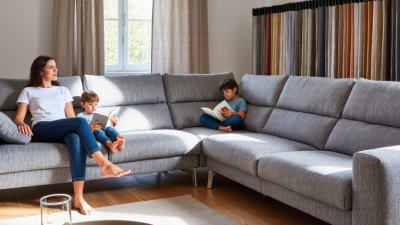
Start with the room. A family sofa used every day needs fabric that tolerates friction, spills, and frequent cleaning. Tightly woven polyester blends are often practical, while textured weaves can hide minor marks. Homes with pets may benefit from snag-resistant surfaces and removable cushion covers. No fabric is completely stain-proof, so check the care instructions before choosing.

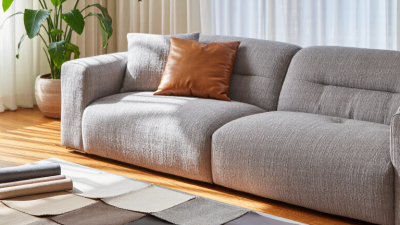
Consider climate and comfort, too. In humid rooms, breathable blends may feel less clammy than dense synthetic fabrics. Linen-rich upholstery has a relaxed texture, but it can wrinkle and show wear more readily. For a sunny living room, ask about colorfastness and test a sample near the window. Small details matter. A swatch can look warmer under showroom lights than beside your own wood floor.

Compare specifications carefully. Abrasion results are useful, but test methods differ, so do not judge fabric by one number alone. Request the composition, cleaning guidance, and relevant test records from the supplier. Then sit on a sample, rub it with a clean cloth, and inspect the weave in daylight. I might once have chosen by appearance alone; that feels incomplete now. Comfort, maintenance, and cost should all fit the way the sofa will actually be used.