
Blog
Blog
Blog
China Top 10 Leather Upholstery Manufacturers?
China has a broad furniture industry, with manufacturers serving residential, hospitality, and commercial projects. For buyers exploring China’s top 10 leather upholstery manufacturers, the challenge is finding a suitable partner, not simply choosing a familiar name. Product photos can show stitching, panel alignment, and finish, but they cannot confirm how a sofa performs after years of daily use. A shortlist should be a starting point.
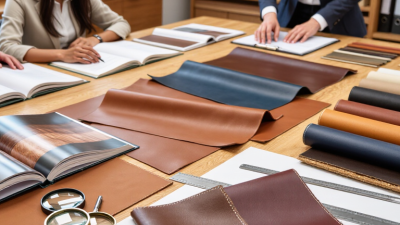
The word “top” needs care. A useful comparison looks beyond factory size and catalogue design. Buyers can ask about leather grades, frame materials, foam density, seam construction, customization options, and production lead times. Requesting material swatches and a sample piece can reveal details that images miss, such as surface texture, color variation, and how the leather feels under hand. Small details matter.
Reliable evaluation also depends on clear evidence. Check whether a manufacturer can explain its quality-control process, provide relevant test reports, and share references for comparable projects. Confirm who handles packaging, shipping coordination, and after-sales communication before placing an order. These checks do not guarantee a perfect outcome, and supplier claims still deserve independent review. That part is easy to overlook. This guide introduces ten manufacturers to consider and offers practical points for comparing their products and capabilities. The right choice will depend on your budget, design requirements, order volume, and tolerance for risk. A careful conversation—and a well-checked sample—can tell you more than a polished catalogue.
What Leather Upholstery Manufacturers in China Produce
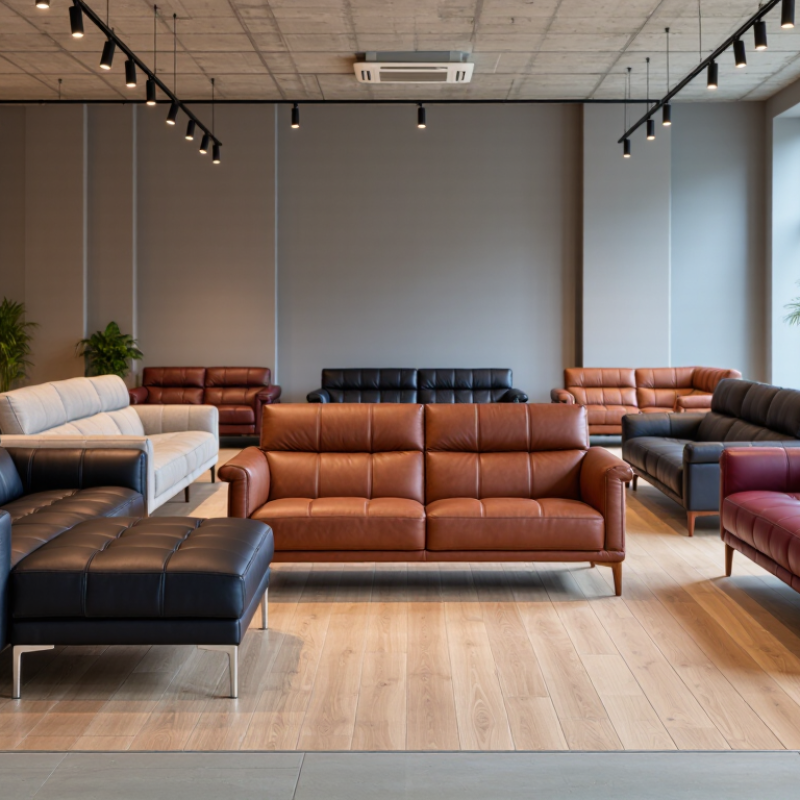
Chinese leather upholstery manufacturers produce more than finished sofas. Their output can include tanned and finished hides, cut panels, sewn covers, upholstered chairs, sofa frames, headboards, and custom interior seating. Some factories handle hide selection through final assembly; others specialize in tanning, cutting, or contract upholstery. The exact scope matters. A supplier’s product photos may not show who performs each stage.
Production starts with grading hides for scars, thickness, grain, and usable area. Workers map cutting patterns to reduce waste, then stitch panels and fit them over foam and frames. Finishes may be corrected-grain, pigmented, or aniline, each with different feel and maintenance needs. Ask for samples, seam details, abrasion-test results, and care instructions. Check the actual construction, not just a color card. Small details matter.
Demand offers useful context, but not proof of quality. Grand View Research estimated the global furniture market at USD 729.3 billion in 2022 and forecast a 5.9% compound annual growth rate from 2023 to 2030. That broad market figure includes many materials and product types; it does not measure leather upholstery alone. A factory’s capacity can also vary by season and order complexity. I would verify production steps and sample consistency directly, because supplier descriptions can leave gaps.
What Do Leather Upholstery Manufacturers in China Produce?
The bars count representative product types listed for each category: living-room seating (sofas, armchairs, recliners, and loveseats); dining and office seating (dining chairs, office chairs, and conference chairs); bedroom furniture (upholstered beds and headboards); automotive interiors (seat covers, door-panel upholstery, and armrests); and commercial interiors (lounge seating and upholstered wall panels). These are examples of common product categories, not market-share figures or a ranking of manufacturers.
Criteria for Selecting the Top 10 Manufacturers
Choosing among China’s leather upholstery manufacturers requires more than comparing catalog photos. A useful assessment starts with leather specifications: hide grade, thickness, finish, and batch consistency. Ask for recent test reports covering abrasion, color transfer, seam strength, and light exposure. Numbers matter. Inspect a production sample under ordinary room lighting; small wrinkles and uneven dye can disappear in studio images. Request clear inspection steps, defect limits, and procedures for handling rejected pieces. These details reveal process control better than polished sales language.
Check production capacity against your order size, delivery window, and likely repeat orders. Review sample lead times, material records, packaging methods, and the person responsible for quality updates. Ask how customization affects cost and schedule, and whether a revised sample must be approved before bulk production. Communication is evidence, too. Replies with dates, measurements, and corrective actions are easier to verify than broad promises. A factory assessment can help, though one visit cannot prove every claim. Scores can mislead. Weight each criterion by intended use: a high-traffic hotel seat needs different testing from a decorative chair.
Profiles of 10 Leading Chinese Leather Upholstery Manufacturers
China’s leather-upholstery sector includes manufacturers with different strengths, not one standard production model. These ten profiles are useful starting points, rather than a verified ranking. An integrated sofa maker may manage frames, cushioning, and leather sewing under one roof. Check whether its sample seams match finished production. Small differences matter.
A commercial seating specialist often builds for offices, hotels, or shared spaces, where abrasion resistance matters. A custom-workshop manufacturer may handle unusual dimensions and short runs, though lead times can vary. A leather-focused factory may offer several grades and finishes; request swatches under natural light. Some manufacturers concentrate on export orders and provide detailed packing records. Others specialize in modular sofas, with replaceable covers and coordinated sections. Contract-furniture producers tend to emphasize repeatable dimensions and sturdy stitching. Premium craft workshops may use hand-finished edges and careful panel matching, but their output can be limited. A large-volume producer may offer efficient cutting and consistent batches, yet custom details deserve close review. Finally, a product-development-led manufacturer may help refine patterns and prototypes. Ask for material specifications, production samples, and clear inspection criteria. Verify the details yourself.
China Top 10 Leather Upholstery Manufacturers? - Profiles of 10 Leading Chinese Leather Upholstery Manufacturers
The profiles below describe common leather-upholstery manufacturing specializations and relevant product tests. They are industry-level examples, not a verified ranking or company-specific directory; no company or brand names are included. Applicable specifications depend on the product and destination market.
| Profile | Typical Upholstery Focus | Common Leather Options | Typical Manufacturing Work | Relevant Quality Tests |
|---|---|---|---|---|
| 01 — Residential Furniture | Sofas, armchairs, recliners, and upholstered dining chairs | Pigmented corrected-grain leather; split leather with a finished surface | Hide selection, cutting, surface finishing, panel matching, sewing, and upholstery assembly | ISO 2589 for leather thickness; ISO 11640 for colour fastness to rubbing |
| 02 — Premium Furniture | High-end seating where natural grain and hand feel are important | Full-grain or corrected-grain leather; aniline or semi-aniline finishes | Grading for natural characteristics, careful cutting, colour matching, and finish inspection | ISO 17235 for leather softness; ISO 11644 for adhesion of finish |
| 03 — Automotive Seating | Vehicle seat covers, headrests, armrests, and interior trim | Finished leather selected to meet the vehicle programme’s specified performance requirements | Pattern cutting, panel nesting, precision sewing, and production traceability | ISO 11640 for rubbing fastness; ISO 3376 for tensile properties. Vehicle-specific requirements may add further tests. |
| 04 — Commercial Contract Seating | Seating for offices, hospitality venues, and shared indoor spaces | Durable pigmented leather and other specification-led finished leathers | Repeatable colour control, batch management, cutting, sewing, and upholstery assembly | ISO 11640 for rubbing fastness; ISO 11644 for finish adhesion |
| 05 — Hospitality and Restaurant Furniture | Banquettes, dining booths, lounge seating, and hotel furniture | Easy-care finished leather selected for the project’s cleaning and appearance requirements | Large-panel planning, seam placement, pattern matching, and made-to-order upholstery | ISO 2589 for thickness; ISO 11640 for rubbing fastness. Cleaning and chemical tests should follow the buyer’s specification. |
| 06 — Marine and Leisure Seating | Boat seating and other leisure applications requiring application-specific material selection | Finished upholstery leather only where suitable for the intended environment and specification | Custom cutting and sewing; material selection and construction are governed by the end-use conditions | ISO 11640 for rubbing fastness; ISO 11644 for finish adhesion. Environmental suitability requires separate specification-based assessment. |
| 07 — Upholstery Leather Finishing | Finished leather supplied for furniture and seating upholstery | Corrected-grain, pigmented, semi-aniline, and other specified finishes | Surface preparation, finishing, embossing where specified, colour matching, and inspection | ISO 11644 for adhesion of finish; ISO 11640 for colour fastness to rubbing |
| 08 — Cut-and-Sew Upholstery | Leather covers and sewn components for furniture or vehicle seating | Customer-specified finished leather, sorted by colour, thickness, and usable area | Hide inspection, defect mapping, computer-aided or manual cutting, sewing, and component checks | ISO 2589 for thickness; ISO 3377-2 for tear strength using the double-edge tear method |
| 09 — Custom and Small-Batch Seating | Made-to-order furniture, bespoke interiors, and limited production runs | Leather chosen to match the project’s grain, colour, finish, and performance requirements | Sample approval, custom pattern development, small-batch cutting, and detailed finishing | ISO 11640 for rubbing fastness; ISO 17235 for softness, where these tests are specified |
| 10 — Export-Oriented Upholstery Production | Furniture and upholstery components produced to overseas buyer specifications | Leather types and finishes selected against the order’s technical requirements | Specification review, incoming-material checks, production inspection, and shipment documentation | Applicable ISO leather tests may include ISO 11640, ISO 11644, and ISO 3376; required tests depend on the buyer and destination market. |
Comparison of Products, Production Capacity, and Quality Standards
Comparing China’s leading leather upholstery manufacturers requires more than checking product photos. Review the actual range: sofa hides, vehicle seating leather, contract-grade upholstery, and custom colors or textures. Ask for physical swatches, not only digital images. Grain, thickness, backing, and surface feel can vary between batches. Small differences matter.
Production capacity should be verified through monthly output, equipment, staffing, and lead times for repeat orders. A large factory may handle volume well, while a smaller workshop may offer more flexible sampling. Request recent production records and clarify how urgent orders affect inspection time. Numbers alone can mislead.
Quality standards need practical checks. Ask how each supplier tests colorfastness, abrasion resistance, tensile strength, and finish adhesion, and request dated test reports tied to the material being quoted. Confirm whether testing follows recognized industry methods, and inspect how defects are recorded and handled. A good report helps, but it is not a substitute for a sample review. I would also compare the same test results across suppliers; otherwise, the comparison is uneven. Even careful buyers can miss a mismatch between sample and bulk production. That risk deserves attention.
How to Evaluate and Source from a Chinese Manufacturer
China Top 10 Leather Upholstery Manufacturers?
Choosing a Chinese leather upholstery manufacturer takes more than comparing catalog photos and unit prices. Ask how the workshop selects hides, controls cutting, and checks stitching. Request a sample made with the proposed leather, thread, foam, and finish. Inspect seams, corners, color consistency, and the feel of the surface under ordinary light. Confirm production capacity, lead time, packaging details, and who handles quality checks. A polished sample is useful, but it cannot show every batch’s consistency.
Tips: Send a written specification with measurements, leather grade, color reference, and acceptable tolerances. Keep an approved sample for comparison. Small details matter.
Before placing a large order, consider a pilot run and review a finished unit. Ask for dated production photos or arrange an independent inspection if needed. Compare quotations line by line; a lower price may reflect different materials or inspection scope. Keep key decisions in writing, including sample changes and defect criteria. Clear communication helps, though it does not remove every risk. Leather is a natural material, so some variation is normal. The difficult part is agreeing on what variation is acceptable before production begins.
Related Posts
-
How to Choose Leather Upholstery for Global Sourcing?
-
Top 10 Leather Upholstery Materials for Global Buyers?
-
What Are the Top Leather Upholstery Trends for 2026?
-
7 Inspiring Ways to Elevate Your Style with Leather Material
-

10 Tips for Choosing Upholstery Canvas Fabric?
-
Top Tips for Choosing the Right Furniture Upholstery Material?