How to Choose the Best Furniture Fabric?
Choosing furniture fabric is not a color decision alone. It is a daily-use decision: denim at the edge of a sofa, a sunlit arm, a small spill that happens before guests arrive. The right choice balances durability, comfort, cleaning needs, and style. One detail can change the result. A tightly woven polyester may suit a busy family room, while linen can bring softness but show creases and marks more readily.
For a useful performance reference, the Association for Contract Textiles’ upholstery guidance sets benchmarks for abrasion testing. High-traffic woven upholstery is commonly assessed against 30,000 Wyzenbeek double rubs. That number is not a promise of service life; construction, cleaning, sunlight, and use all matter. Check the fabric’s test method and care instructions, rather than comparing numbers blindly. Industry guidance can narrow the options, but it cannot predict every household.
Furniture designer Charles Eames said, “The details are not the details. They make the design.” Fabric is one of those details: its texture changes how a room feels, while its performance shapes how it ages. Still, buyers can over-focus on a sample under store lighting. View a swatch at home, beside the window and against the existing sofa. It may look different. This guide explains how to compare fibers, weaves, durability ratings, color, and maintenance before choosing furniture fabric that fits your room and your routine.
Define the Furniture’s Use and Exposure Conditions
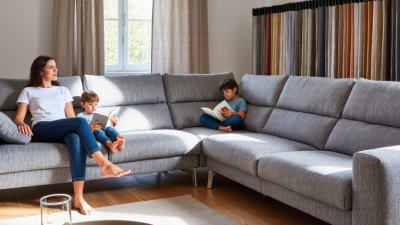
Before comparing colors or textures, picture how the furniture will be used on an ordinary day. A sofa in a busy family room may handle meals, pets, and repeated sitting. A reading chair in a quiet bedroom faces less friction. Ask who uses it, how often, and whether people tend to sit, nap, or spill there. Small details matter. A pale fabric beside a sunny window may fade faster than expected, while a dark, tightly woven fabric can show lint and dust.
Exposure changes what “durable” means. Direct sunlight can weaken or fade some fibers, so consider a lining, window covering, or fabric rated for light exposure. In humid rooms, check care guidance and allow upholstery to dry fully after cleaning. For pets, a close weave may catch fewer claws than a loose loop, though no fabric is completely snag-proof. A removable cover can make routine cleaning easier, but confirm whether it can be washed without shrinking. Performance ratings help compare abrasion resistance; they do not predict every household’s experience. A sample can still mislead. Test it at home, where the light, dust, and daily habits are real. I would rethink the choice if cleaning instructions feel unrealistic for the way the room is used.
Compare Fabric Fibers, Weaves, and Surface Textures
Choose upholstery by separating fiber, weave, and surface feel. Cotton feels breathable, while polyester often resists everyday wear; blends can balance qualities, but they are not automatically better. Textile Exchange’s Materials Market Report 2024 estimates polyester made up 57% of global fiber production in 2023, compared with cotton at 20%. That figure describes the wider fiber market, not furniture performance. Feel the sample.
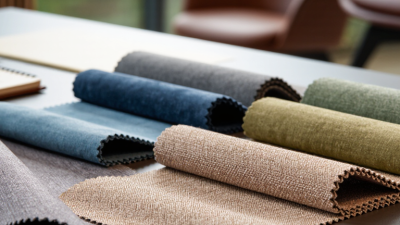
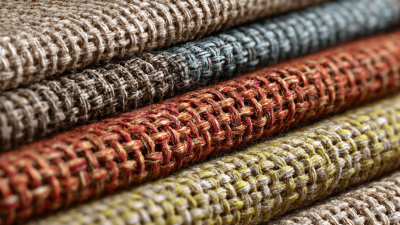
Weave changes how a fabric behaves. A tight plain weave usually has a flatter, firmer feel; a looser basket weave shows more texture and may catch on sharp edges. Surface finish matters too: velvet’s pile shifts in the light, while looped bouclé can snag more easily around pets or rough clothing. I still find texture difficult to judge from photos alone. Order a swatch, view it by a window and under evening lamps, then check the maker’s care instructions and abrasion-test results.
Tips: Rub and pinch the swatch, then inspect its seams and back. Ask about pilling and colorfastness, not just fiber content. If the fabric looks beautiful but feels tiring after a few minutes, reconsider it.
Assess Durability, Stain Resistance, and Care Requirements
Durability starts with the way a fabric is made, not just how thick it feels. Tight weaves often handle daily rubbing better than loose, looped textures, which can snag on pet claws or rough clothing. Check the fabric’s abrasion rating when one is available, but do not treat it as a guarantee. A chair in a sunny, busy family room faces different wear than a rarely used guest-room bench. Feel a sample, bend it, and inspect the back for loose threads. Small clues matter.
Stain resistance depends on both the fiber and any finish applied to it. Synthetic fibers often release spills more easily, while natural fibers may absorb them quickly. Still, no fabric is truly spill-proof. Blot a small coffee spill promptly; rubbing can push it deeper into the weave. Test cleaning methods on an unseen area first. That matters.
Care requirements can change the real cost of a fabric over time. Read the cleaning code and care instructions before buying, especially for upholstery that cannot be removed. Some covers can go in a washing machine; others need careful spot cleaning or professional attention. I would not choose a fabric based on appearance alone, though it is easy to do when a sample looks perfect in a showroom. Ask how it behaves after repeated cleaning, and consider whether that routine fits your household. A practical choice is one you can maintain.
Match Color and Texture to the Room’s Design
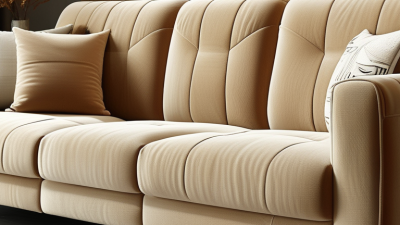
Color is easiest to judge in the room where the furniture will live. A warm beige may look soft beside oak flooring, yet turn yellow under evening bulbs.
Light changes everything.
Bring fabric samples home and view them near a window, then check them again after dark. Compare each swatch with wall paint, rugs, and curtains rather than choosing from a screen.
Texture matters, too. A tightly woven fabric can give a clean-lined room a crisp, tailored feel, while a nubby weave adds softness to smooth wood or metal. Not always. In a small room, several bold textures can make the space feel busy, even when each fabric looks appealing alone.
Consider how the material feels against skin and how its surface catches light: velvet can deepen a color, while linen often shows gentle irregularities. That uneven look may be part of its charm, though it can also seem messy beside very formal furnishings.
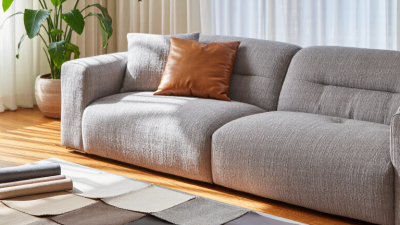
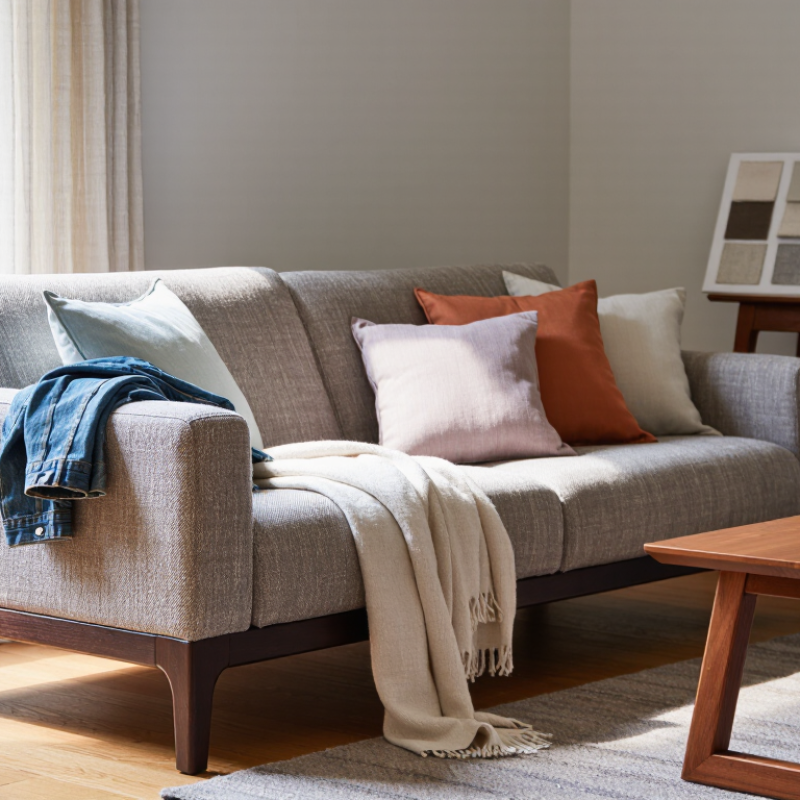
I have found it tempting to match every tone exactly; a quieter contrast often feels more natural. Keep one or two colors consistent, then let texture add variation. A pale cushion beside a darker sofa can lift the room without competing with its main lines.
Test Fabric Samples Before Making a Final Choice
A fabric sample can look different at home than it does under showroom lighting. Ask for the largest swatch available, then place it beside the sofa, near a window, and under your evening lamps. Check how the color shifts throughout the day. Look closely. Notice whether the weave catches light or hides small marks. Then wait. Leave the sample in place for a few days, rather than choosing after a quick glance.
Test the fabric in ordinary use. Drape it over the seat and back, then sit on it in different clothes. Does it feel scratchy, slippery, or too warm? If the furniture gets daily use, gently rub a hidden area with a clean cloth and inspect for fuzzing or color transfer. Avoid testing spills unless you know the fabric’s care instructions. A tiny sample cannot show exactly how a full sofa will wear, and that limitation matters. I may be overcautious, but I would also ask about cleaning methods and whether the sample matches the current fabric lot. Compare your notes with the room’s light, flooring, and daily habits before placing an order.
How to Choose the Best Furniture Fabric?
Compare each fabric sample’s Martindale abrasion rating with the needs of your space. These are commonly cited minimum-use guidelines; recommendations vary by market, test method, and manufacturer.
Before you decide: Ask for the test rating for each swatch, then compare its texture, color, and cleanability in your own lighting. Higher abrasion resistance alone does not guarantee that a fabric will suit your home.